American Journal of Emergency Medicine
- Early initiation of vasopressin in patients within 6 h of septic shock onset was not associated with decreased short-term mortality, new onset arrhythmias, shorter ICU length of stay and length of hospitalization, but can reduce the use of RRT. Further large-scale RCTs are still needed to evaluate the benefit of starting vasopressin in the early phase of septic shock.
Annals of Emergency Medicine
None
BMJ
None
Circulation
None
CJEM
No October issue
EMCRIT
EMCrit 334 – CV-EMCrit – Concise HeartMate 3 LVAD Overview
NeuroEMCrit – Team NeuroEMCrit’s H&R Conference Talk, Part
Emergency Medicine Journal
None
EMRAP
Cardiology Corner: Clinical Conundrums
- CVA and STEMI? AHA says give lytics
Troubleshooting Nephrostomy Tubes
First10em
- routine application of risk scores for patients identified as low risk by these pathways is not recommended, the modified HEART score or EDACS may be considered for selective application especially in cases where the physician believes the patient may be higher risk based on their clinical history or symptoms at presentation
JAMA
None
Journal of Emergency Medicine
Emergency Department Hallway Care From the Millennium to the Pandemic: A Clear and Present Danger
Lancet
None
NEJM
Prevention of and Emergency Response to Drowning
Spontaneous Intracerebral Hemorrhage
Blood-Pressure Targets in Comatose Survivors of Cardiac Arrest
Oxygen Targets in Comatose Survivors of Cardiac Arrest
Myositis
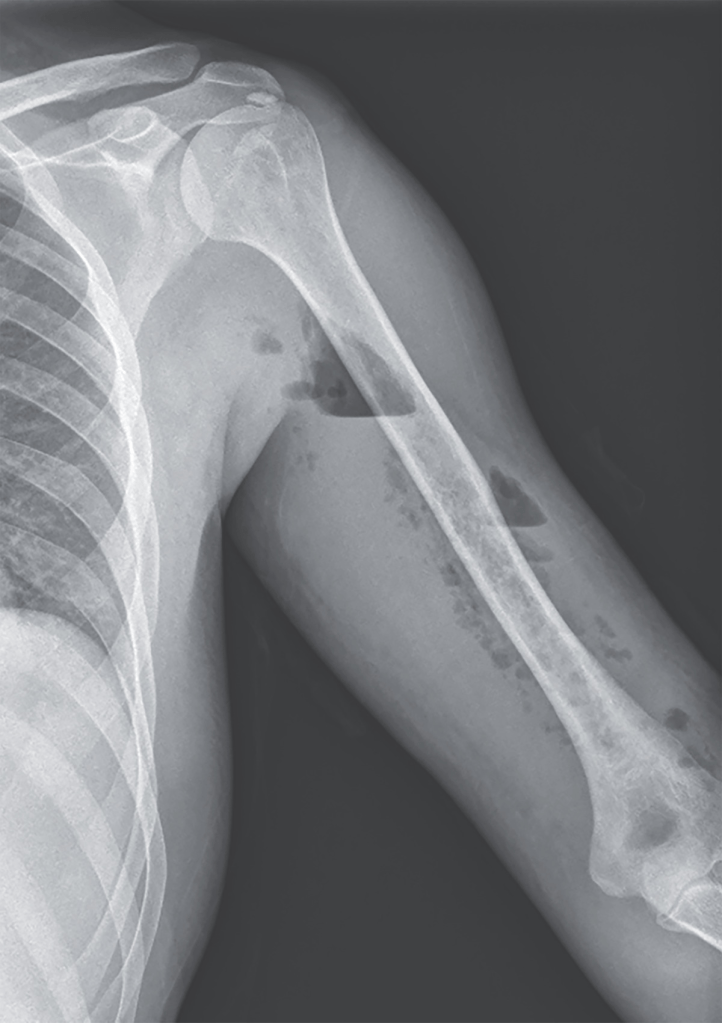
A 37-year-old man presented to the emergency department with a 1-week history of pain and swelling in the left upper arm that had started after blunt trauma to the arm during a soccer practice. He had a history of opioid use disorder, which had been treated with buprenorphine. He reported no intravenous drug use during the past 2 years. The heart rate was 120 beats per minute, the blood pressure 96/54 mm Hg, and the body temperature 37.9°C. Examination of the left upper arm was notable for swelling, tenderness, and crepitus. The overlying skin was red and warm to the touch. A radiograph of the upper arm showed radiolucent areas with air–fluid levels in deep tissue.
PEDIATRICS
None
REBELEM
Resuscitation
 Internet Book of Emergency Medicine