Academic Emergency Medicine
- 0/1h algorithm had excellent specificity (94%) and sensitivity (99%, CI 98.5-99.5%)
American Journal of Emergency Medicine
Bioterrorism: An analysis of biological agents used in terrorist events.
2020 webPOISONCONTROL data summary
- webPoisoncontrol is an alternative resource to calling poison control, quick and easy to use, will recommend call to poison control for more complex cases.
Clinical update on COVID-19 for the emergency clinician: Presentation
and evaluation
Annals of Emergency Medicine
Are Emergency Departments Responding to the Aging Demography?
- Discusses NEWS which is a triage screening tool to identify folks who have higher risk for death or ICU care.
- Adding age to NEWS improves the accuracy.
- Also encourages the use of the FRAILTY scale which identifies elderly who may need institutional care.
Thinking Beyond the Emergency Department: Addressing Homelessness in Residency Education
- Great summary of homelessness beneficial to EM physicians far beyond residency.
- Practical steps:
- Screen everyone for homelessness
- Hand out insurance application (quadruples chance of obtaining insurance).
- Provide location of closest social services office to apply for transitional and permanent housing.
- Provide location of closest low cost/free ambulatory care services/dental care.
- Provide location of closest detox/substance abuse facilities.
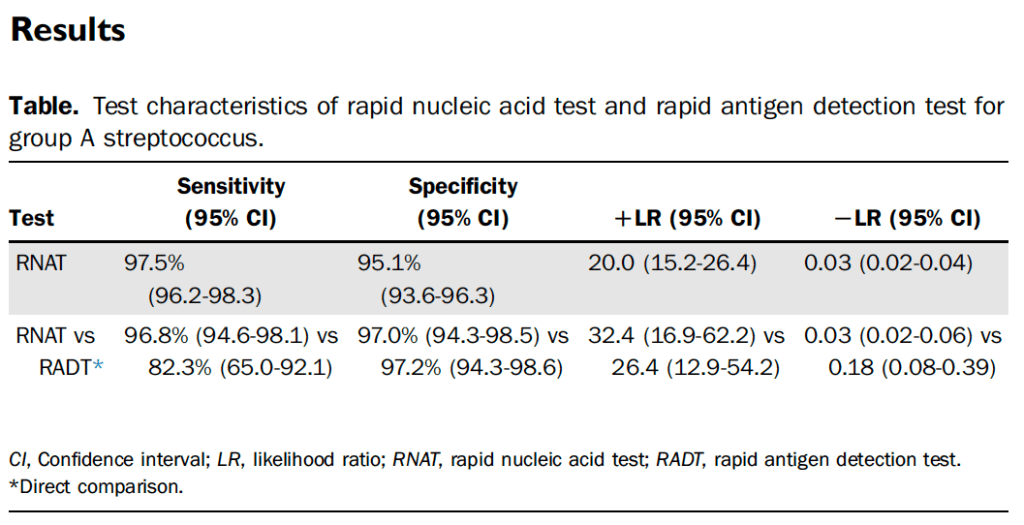
What Is The Diagnostic Accuracy of Rapid Nucleic Acid Tests for Group A Streptococcal Pharyngitis?
- Rapid Nucleic Acid Tests more sensitive (97% vs 82%) and equally specific to the traditional Rapid Antigen Detection Test (RADT).
- Most hospitals currently use RADT.
- Currently negative RADT requires a follow-up culture in high risk groups per the Uptodate algorithm but rapid nuclear acid test may negate that requirement.
BMJ
- Covid-19 is an independent risk factor for deep vein thrombosis, pulmonary embolism, and bleeding, and that the risk of these outcomes is increased for three, six, and two months after covid-19, respectively
Circulation
None
CJEM
Computed tomography angiography for acute headache may be more painful than lumbar puncture
- While CTA is a good option for acute headache patients with delayed presentation (e.g. > 1 week after headache onset), when LP is contraindicated, not feasible or has indeterminate results, it should not routinely replace LP. CTA will work for 96.7% patients, but will identify incidental aneurysms in 3.3%, leading to difficult decisions for our neurosurgical colleagues, increased patient morbidity and mortality due to unnecessary aneurysm repairs or increased patient anxiety.
- Multiple myeloma patients present commonly with one or more of the “CRAB” symptoms which reflect end organ damage: hyperCalcemia, Renal failure, Anemia, or lytic Bone lesions.
Just the facts: testing patients with suspected pulmonary embolism
EMCRIT
EMCrit Wee – Saving EM: Is Less More? with Atkinson and Innes
- EM is valuable but EDs need to do less, can’t be the catch-all for society’s problems.
- Fascinating conversation with two authors of recent CJEM editorial.
- Authors push for public health solution that offloads noncritical EM to after hours primary care clinics, telemedicine, etc.
- Weingart contends that the specialty is headed for a schism of two specialties: 1) after hours primary care who can also manage sick patients for the first 20 minutes; 2) resuscitationist who has the training and skill set to manage critically ill patients beyond the first 20 minutes.
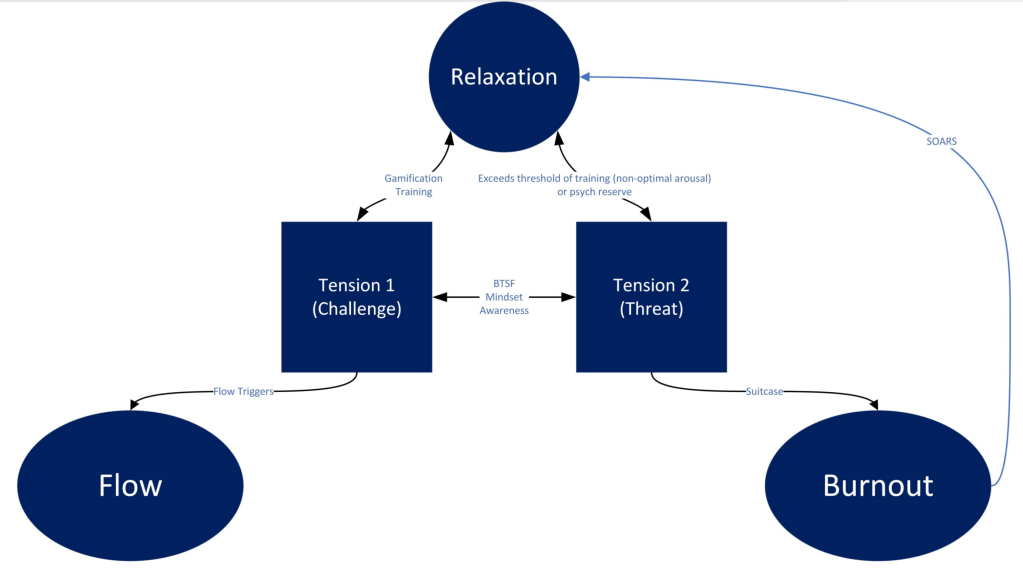
EMCrit 320 – MotR – Tension & Relaxation | Flow & Burnout
- Amazing podcast on how to achieve flow and reduce burnout
- Great paradigm for balancing relaxation and positive tension
- Great book recommendations
- The Art of Learning- Josh Waitzkin
- Joy on Demand- Chade-Meng Ten
- Happiness- Daniel Haybron
Emergency Medicine Journal
None
EMRAP
- Initial treatment is 4 topical drops, given 1-2 minutes apart and repeated q5minutes for a total of 3 doses of each drop.
- Timolol (B-blocker- decrease aqueous humor production)
- Dorzolamide (carbonic anhydrase inhibitor- decrease aqueous humor production)
- Latanoprost (prostaglandin analogue- increase aqueous humor outflow)
- Brimonidine (alphagan) or apraclonidine (alpha agonist- decrease aqueous humor production and increase outflow)
- Uptodate also recommends 2% pilocarpine
- IV mannitol or diamox if pressure not improved when IOP rechecked at 30 minutes.
JAMA
- net benefit of low-dose aspirin use in adults aged 40 to 59 years who have a 10% or greater 10-year CVD risk is small; that persons not at increased risk for bleeding and willing to take low-dose aspirin daily are more likely to benefit (C recommendation); and recommends against initiating low-dose aspirin use for the primary prevention of CVD in adults 60 years or older (D recommendation).
- 10 year CVD risk calculator is available on MDCALC: ASCVD Risk Calculator.
Secondary Attack Rates for Omicron and Delta Variants of SARS-CoV-2 in Norwegian Households
- Secondary attack rate was 25.1% (95% CI, 24.4%-25.9%) when the variant of the index case was Omicron, 19.4%(95% CI, 19.0%-19.8%) when it was Delta, and 17.9% (95%CI, 17.5%-18.4%) when it was nonclassified.
Journal of Emergency Medicine
None
Lancet
None
NEJM
Cancer-Associated Hypercalcemia
PEDIATRICS
None
REBELEM
None
Resuscitation
 Internet Book of Emergency Medicine