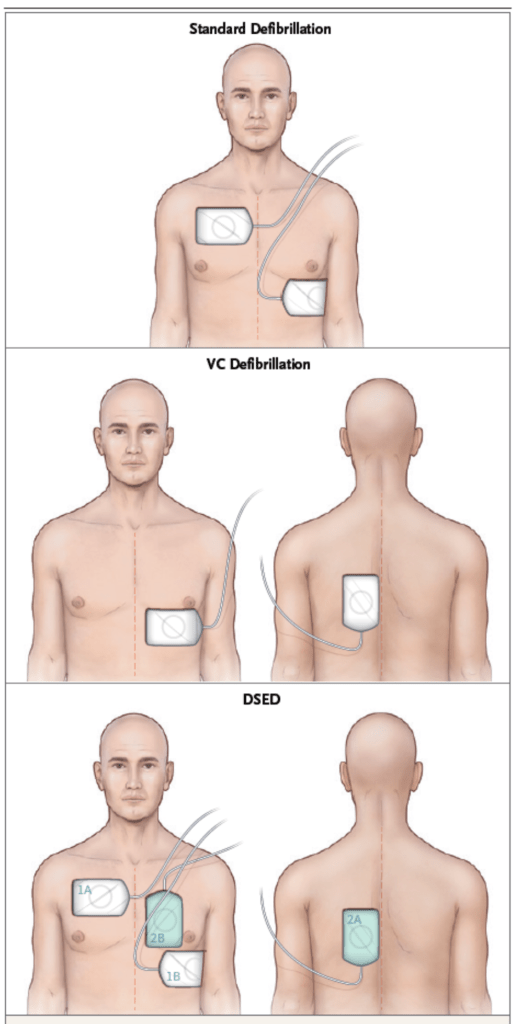
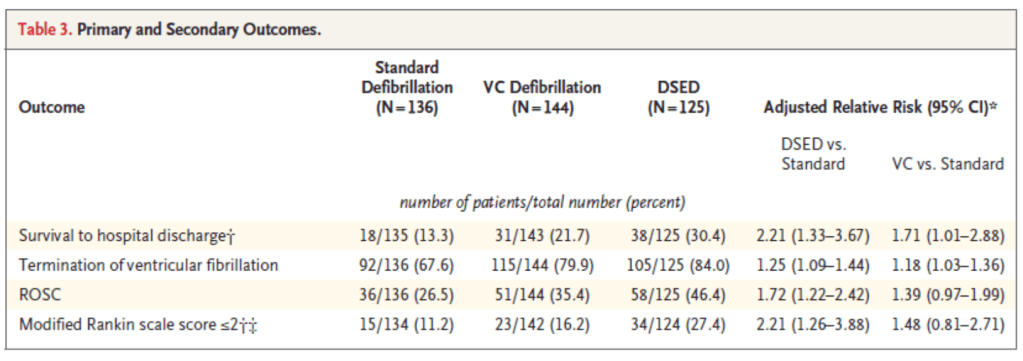
Study in NEJM looked at out of hospital arrest with refractory vfib or pulseless Vtac after 3 failed attempts at defibrillation.
Commentary by First10em:
It has never made any sense to continue to provide the same unsuccessful therapy over and over again, so I think all of us have been changing something after 3 unsuccessful shocks, whether it was simply changing pad position, or adding a second machine.
Working in a community hospital without access to ECMO or the cath lab, if I have a patient in refractory ventricular fibrillation after 3 shocks, I will perform one of these techniques, but that actually isn’t a change from current practice. I think the plan that might make the most sense is to apply a new set of pads in the anterior-posterior position after the 3rd unsuccessful shock, provide one vector change shock (to limit the risk of machine damage while still gaining potential benefit), and then if that didn’t work try double sequential for the next attempt. I think the potential benefit is worth the relatively limited risk in a hospital setting.
However, I will continue to emphasize that this is not standard of care, and this is not definitely proven, and we definitely need to see follow-up RCTs.
Early initiation of vasopressin in patients within 6 h of septic shock onset was not associated with decreased short-term mortality, new onset arrhythmias, shorter ICU length of stay and length of hospitalization, but can reduce the use of RRT. Further large-scale RCTs are still needed to evaluate the benefit of starting vasopressin in the early phase of septic shock.
routine application of risk scores for patients identified as low risk by these pathways is not recommended, the modified HEART score or EDACS may be considered for selective application especially in cases where the physician believes the patient may be higher risk based on their clinical history or symptoms at presentation
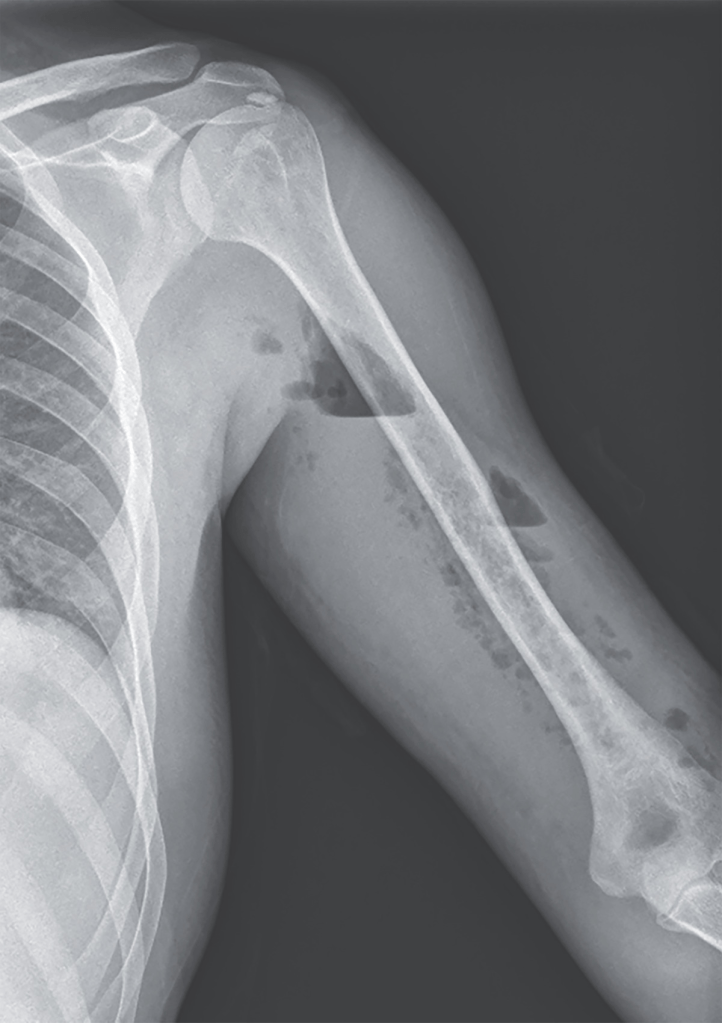
A 37-year-old man presented to the emergency department with a 1-week history of pain and swelling in the left upper arm that had started after blunt trauma to the arm during a soccer practice. He had a history of opioid use disorder, which had been treated with buprenorphine. He reported no intravenous drug use during the past 2 years. The heart rate was 120 beats per minute, the blood pressure 96/54 mm Hg, and the body temperature 37.9°C. Examination of the left upper arm was notable for swelling, tenderness, and crepitus. The overlying skin was red and warm to the touch. A radiograph of the upper arm showed radiolucent areas with air–fluid levels in deep tissue.
Results: Of the 1385 ED visits with abdominal pain chief complaint and discharged home from the ED, individuals who were not imaged in the ED had significantly higher adjusted odds of being imaged outside the ED within 7 days (adjusted odds ratio [aOR] 6.65, 95% confidence interval [CI] 3.96–11.17, p < 0.001), 14 days (aOR 4.69, 95% CI 3.11–7.07, p < 0.001), and 28 days (aOR 3.1, 95% CI 2.25–4.27, p < 0.001) of being discharged and had a significantly higher adjusted odds of revisiting the study ED (aOR 1.65, 95% CI 1.29–2.12, p < 0.001) and revisiting any ED (aOR 1.47, 95% CI 1.16–1.86, p = 0.001) within 30 days of being discharged.
Conclusions: Abdominal imaging in the ED was associated with significantly lower imaging utilization after discharge and 30-day revisit rates, suggesting that imaging in the ED may replace downstream outpatient imaging.
Ketorolac may have similar efficacy to phenothiazines and metoclopramide in treating acute migraine headache. Ketorolac may also offer better pain control than sumatriptan, dexamethasone, and sodium valproate. However, given the lack of evidence due to inadequate number of trials available, future studies are warranted.
Intranasal topical application of tranexamic acid is associated with a lower rate of need for anterior nasal packing and a shortened stay in the ED; it may be considered a part of the treatment for atraumatic anterior epistaxis.
Therefore, it is likely that the tranexamic acid literature will continue to evolve, and tranexamic acid should be seen not as a cure-all hemostatic agent but, rather, as a specific tool with unique benefits and limitations. However, in light of this present study and the existing literature, we believe that it is reasonable to use tranexamic acid in patients presenting to the ED with epistaxis given that it is a low-cost, relatively painless intervention that may prevent the discomfort of anterior nasal packing. Future studies should identify the populations that receive the greatest benefit and the role for newer technology (eg, viscoelastic testing to determine whether hyperfibrinolysis is present) to guide antifibrinolytic therapy.
Patients with recently diagnosed atrial fibrillation and CHA2DS2-VASc score ≥4 should be considered for ERC to reduce cardiovascular outcomes, whereas those with fewer comorbidities may have less favorable outcomes with ERC.
Results From 2468 eligible patients, 1480 were randomised in a sterile (n=747) or non-sterile (n=733) protocol. Baseline characteristics were similar in both study arms. The observed wound infection rate in the non-sterile group was 5.7% (95% CI 4.0% to 7.5%) vs 6.8% (95% CI 5.1% to 8.8%) in the sterile group. The mean difference of the wound infection rate of the two groups was −1.1% (95% CI −3.7% to 1.5%).
Conclusion Although recruitment ceased prior to reaching our planned sample size, the findings suggest that there is unlikely to be a large difference between the non-sterile gloves and dressings for suturing of traumatic wounds and sterile gloves, dressings and drapes for suturing of traumatic wounds in the ED.
After hearing and seeing simple instructional materials, children and adolescents aged 4 to 14 years self-collected nasal swabs that closely agreed on SARS-CoV-2 detection with swabs collected by health care workers.
Results of this study suggest that helmet noninvasive ventilation did not significantly reduce 28-day mortality compared with usual respiratory support among patients with acute hypoxemic respiratory failure due to COVID-19 pneumonia. However, interpretation of the findings is limited by imprecision in the effect estimate, which does not exclude potentially clinically important benefit or harm.
Among patients with respiratory failure due to COVID-19, high-flow nasal cannula oxygen, compared with standard oxygen therapy, did not significantly reduce 28-day mortality.
Patients with acute decompensated heart failure, clinical signs of volume overload (i.e. edema, pleural effusion, or ascites), and an N-terminal pro-B-type natriuretic peptide level of >1000pg/mL or a B-type natriuretic peptide level of >250pg/mL randomized to:
IV acetazolamide (500mg qD)
Exclusion:
SBP <90mmHg
eGFR <20mL/min/1.73m2
In patients with acute decompensated heart failure, and clinical signs of volume overload (i.e. edema, pleural effusion, or ascites) the addition of 500mg of IV acetazolamide to standard loop diuretic therapy resulted in more diuresis, more natriuresis, shorter hospital stay, and an increased likelihood of being discharged without residual signs of volume overload.
Author Conclusion: “Effect estimates remained constant over time suggesting harm of calcium but with wide confidence intervals. The results do not support calcium administration during out-of-hospital cardiac arrest.”
Clinical Take Home Point: Is this the nail in the coffin for calcium in cardiac arrest? Although the results of both the short and long-term outcomes of the COCA trial do not support the use of calcium in all patients with OHCA, there are some populations that may still benefit from this treatment including patients with hyperkalemia, hypocalcemia, and calcium channel blocker overdose.
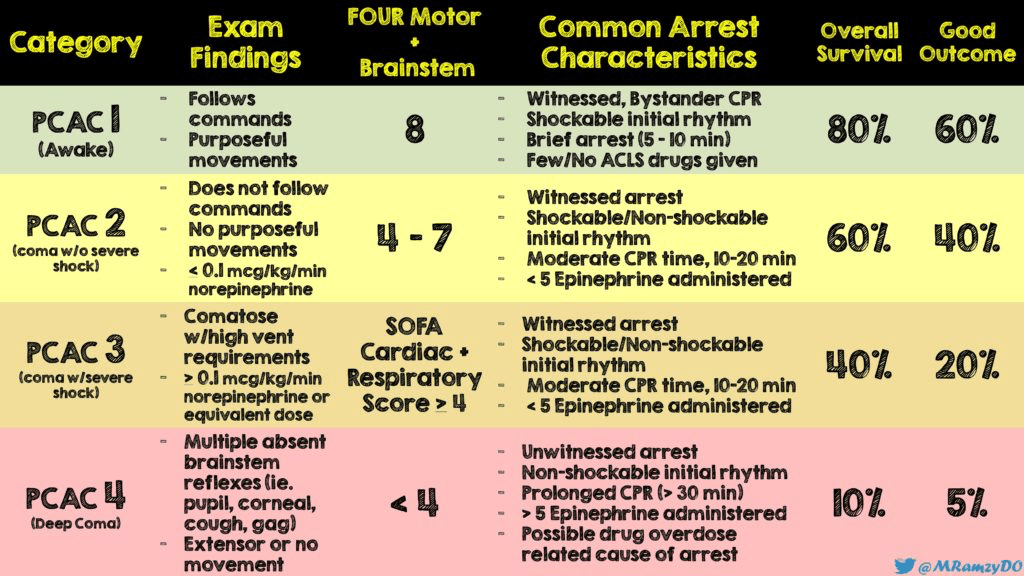
Clinical Take Home Point: In comatose adult patients, with presumed cardiac etiology of their cardiac arrest, with ROSC…
There appears to be no difference between a restrictive vs liberal oxygenation target regarding the incidence of death or severe disability or coma at 90 days.
I will continue to titrate FiO2 to maintain a PaO2 range of 68 to 105mmHg (based on this trial) or an SpO2 of 90 to 95% (my bedside practice) in the post arrest setting.
There appears to be no difference between targeting a lower mean arterial pressure (63mmHg) vs a higher mean arterial pressure (77mmHg) regarding the incidence of death or severe disability or coma at 90 days.
I will continue to target a mean arterial pressure of ≥65mmHg in the post arrest setting.
“Among patients with advanced cirrhosis with coagulopathy and nonvariceal upper GI bleeding, TEG guided transfusion strategy leads to a significant lower use of blood components compared with SOC (transfusion guided by INR and PLT count), without an increase in failure to control bleed, failure to prevent rebleed, and mortality.”
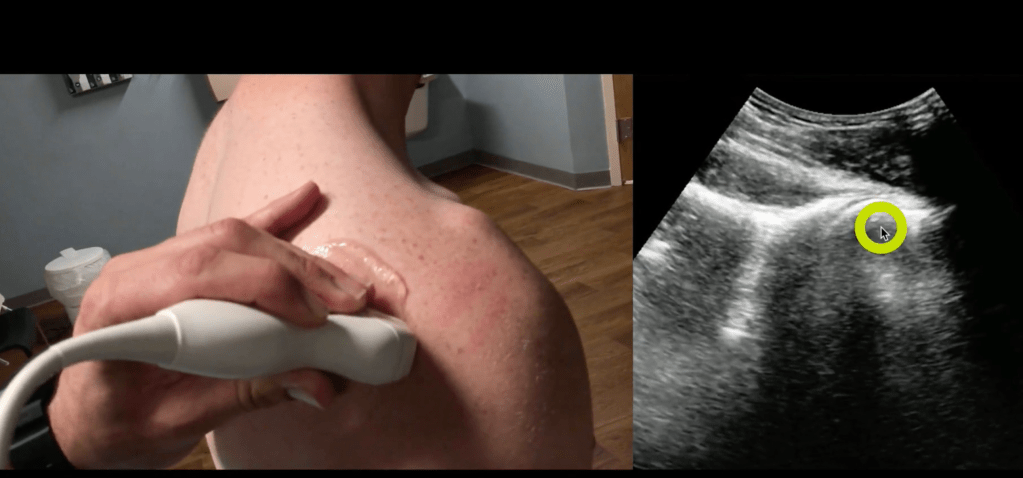
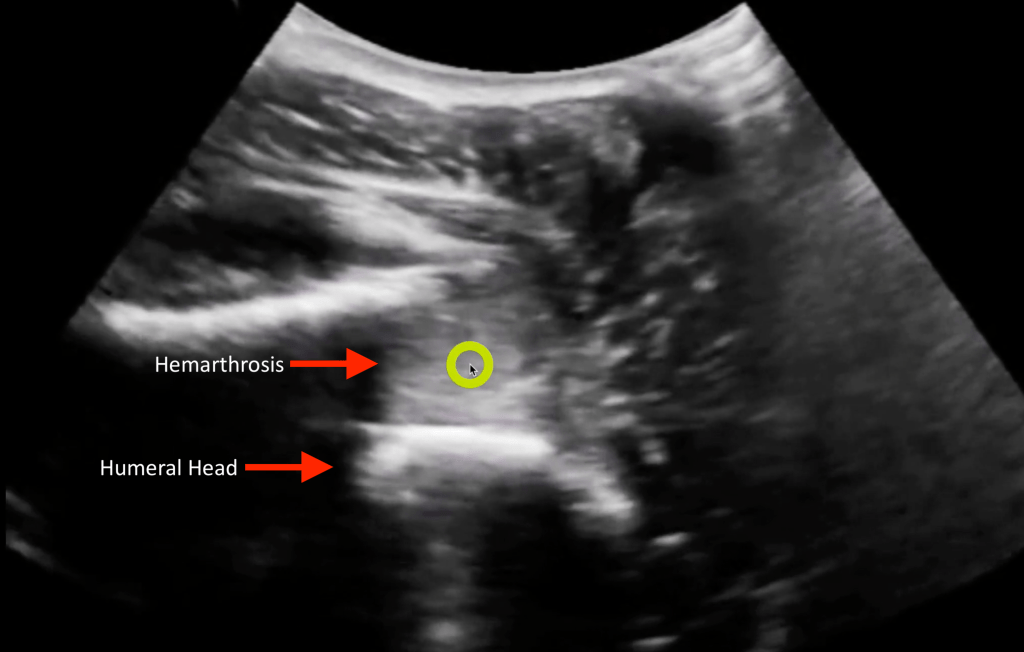
Overall, POCUS was 100% (95% confidence interval [CI], 85.6%–100%) sensitive and 100% (95% CI, 79.4%–100%) specific for the diagnosis of shoulder dislocation
allopurinol or febuxostat to lower uric acid which prevents long term progression
for acute attacks use steroids or saids depending on pt preference, colchicine is second line for folks who cannot take nsaids (pud risk) or steroids (dm, info risk)
Post-intubation hypotension was recorded in one out of three patients in the ED but we found no association between post-intubation hypotension and 48-h in-hospital mortality overall in adults or geriatric patients.
Can be still be replaced if <7-10d old (mature) but use more caution, ENT consult if time permits, ideally use flexible endoscope, if none then use a bougie.
Replacement of a Trach with a mature track can be done blindly, assisted by a bougie, or with a flexible endoscope.
Hospitalization with COVID-19 before and during vaccine availability, vs hospitalization with influenza in 2018-2019, was significantly associated with a higher risk of venous thromboembolism within 90 days, but there was no significant difference in the risk of arterial thromboembolism within 90 days ((adjusted HR, 1.60 [95% CI, 1.43-1.79]) and during vaccine availability (adjusted HR, 1.89 [95% CI, 1.68-2.12]).
Clinical Question: Is it necessary to prescribe antibiotics to all patients undergoing outpatient management for mild diverticulitis as identified on CT scan?
Author Conclusion: “Nonantibiotic outpatient treatment of mild AD is safe and effective and is not inferior to current standard treatment.”
BP- can be falsely high because cuff is too small, can try calf but unknown if this is studied, Scott recommends an art line
CPAP preox
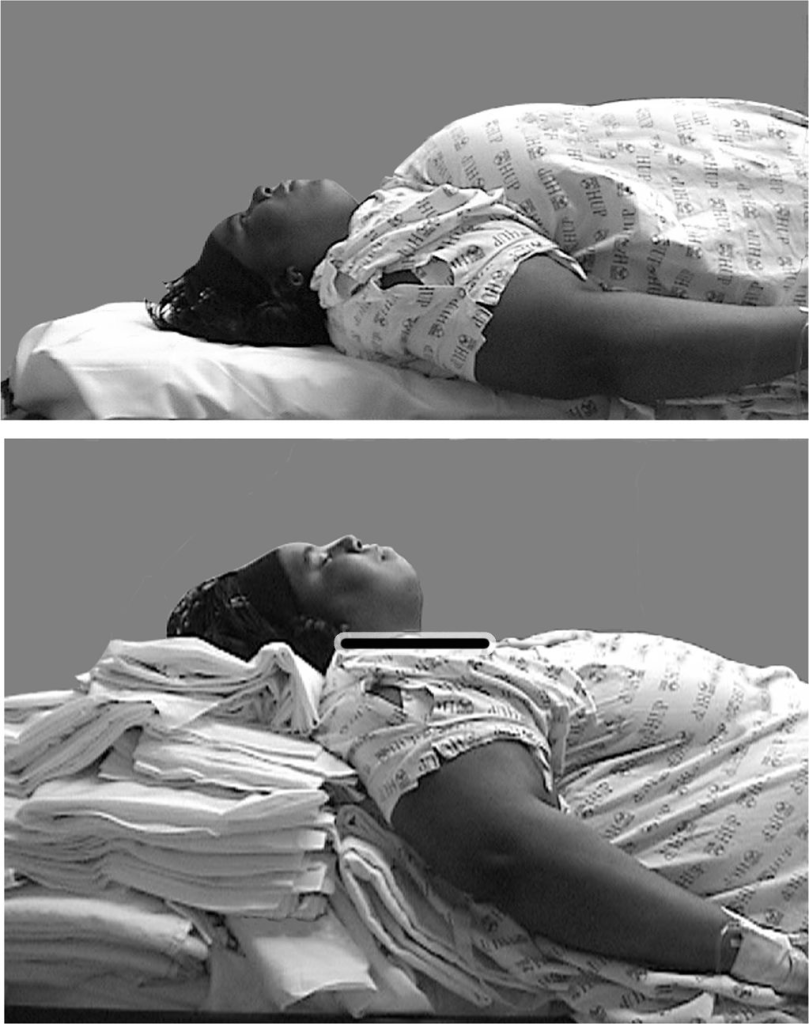
Positioning (see pics below): line up external auditory meatus with the sternal line not notch, meaning need to line up with the line from the sternal notch to diploid process.
Avoid RSI in severely obese patients, DSI safer unless the patient is apneic.
Rocuronium- Some would say IBW, but Calvin Brown [UpToDate in the Biblio] and The EM Airway Course is recommending TBW–That is my rec as well
DSI approach (per Scott): start with Ketamine 100mg and wait ten seconds, if patient not dissociated give more, this allows you to take a look, if intubation looks easy then redox and paralyze because DSI easier for looking then for passing a tube
Post-intubation positioning- sitting up so pannus not preventing chest expansion
Central line- neck or groin better, subclavian has no landmarks
Piperacillin-tazobactam is not generally regarded as a nephrotoxin although it can rarely cause acute tubulointerstitial nephritis, an unusual allergic reaction seen with numerous antibiotics/other meds.
Vancomycin is an actual nephrotoxin.
Solution:
Continue to use Piperacillin-tazobactam
Avoid Vanco in non-MRSA situations (community acquired-urosepsis/intra-abdominal infections, non purulent cellulitis)
Discontinue after 24-48 hours if negative MRSA nares PCR and negative blood culture)
Dose Vanco carefully, monitor levels
Consider Linezolid or Daptomycin over Vanco for patients at high risk of nephrotoxicity
Screen evaluates if the patient has any of the common minor antibody groups (such as Rh, Kelly, Duffy).
Crossmatch”: takes blood that matches the patient for both major and minor antibody groups and reserves it for the patient, essentially taking it out of the pool of available blood.
Take Home #1: There is no need to routinely obtain Type + Cross on every patient who may need blood.
If the patient screens “negative” for any minor antibody groups, crossmatch is unnecessary.
If the patient needs immediate transfusion (eg, in the event of massive GI bleed or trauma with shock), you can transfuse without knowing the minor antibody groups.
If the patient screens “positive” for minor antibody groups, crossmatch can be helpful in ensuring compatible blood is available.
Take Home #2: Every hospital should have a system where the blood bank notifies the clinician when the patient screens positive for minor antibodies
In this situation, taking a number of units out of circulation is important to ensure that when the patient with minor antibodies needs a transfusion, they have the right blood available.
MTP
In most hospitals, massive transfusion protocol is the only way to rapidly get blood. However, this approach is often more than is needed and can be wasteful as it utilizes a lot of resources and can shut the blood bank down to other patients.
Many bleeding patients will stabilize after 1-2 units making massive transfusion protocol unnecessary.
An intermediate pack can be considered These are immediate-release “universal donor” blood products. Scott recommends the pack consists of 2 units pRBCs and 2 units FFP.
New back pain plus risk factors (diabetes mellitus, HIV, cancer, renal disease, liver disease, dialysis or recurrent vascular access, alcoholism, IV drug use, immunocompromised, spinal instrumentation/surgery, older age)- order ESR and CRP, if either is high go to MRI, if both normal then workup can be concluded.
What to MRI?
Authors recommend MRI of the entire spine with contrast
Paper: Hosseinialhashemi M et al. Intranasal Topical Application of Tranexamic Acid in Atraumatic Anterior Epistaxis: A Double-Blind Randomized Clinical Trial. Ann Emerg Med 2022.
Clinical Take Home Point: Based on this trial and the systematic review published in 2021 (Link is HERE), the fact that topical TXA is low cost, simple to use, and has no untoward effects it seems the best 1st line strategy in epistaxis is a TXA soaked pledget with direct pressure. It is unclear whether TXA has benefit in cases where compression with a topical vasoconstrictor fails.
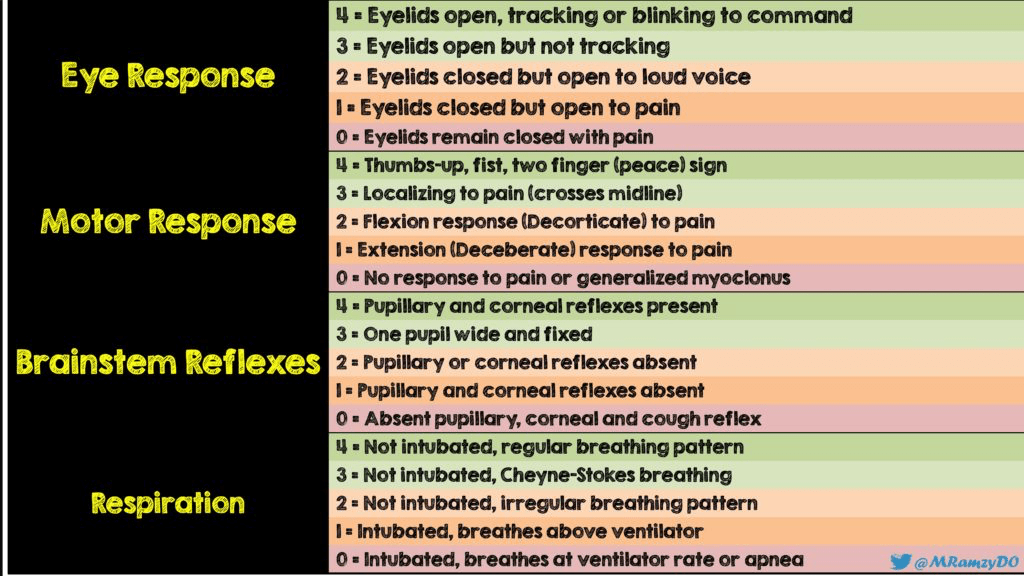
PEA is a crossroad in which the subsequent course is determined. The four distinct presentations of PEA behave differently on important characteristics. A transition to PEA during resuscitation should encourage the resuscitation team to continue resuscitative efforts.
Among moderate risk ACS patients (HEAR score>3, normal Trop x 2, non-ischemic EKG) who have no h/o CAD, the risk of MACE in 30 days was 1.4% with a negative LR of .08, whereas patients with h/o CAD had 7.1% MACE risk.
May be the next group to be discharged without objective cardiac testing.
Bronchodilator plus steroid better than bronchodilator alone but drug too expensive for many payers and adding a separate inhaled steroid would achieve the same goal.
No difference between standard and restricted fluid strategy but as REBELEM post (see below) points out, the difference between groups in fluid balance was only 700cc so the standard fluid strategy has probably become more conservative.
Clinical Take Home Point: In critically ill adult patients with septic shock who received their initial 30cc/kg fluid resuscitation there are two ways to look at ongoing resuscitation based on this trial:
Restrictive fluid strategy ≠ fewer deaths at 90 days than standard fluid therapy
Restrictive fluid strategy is not worse than standard fluid therapy in terms of fewer deaths at 90 days (i.e. Safe but not superior to a standard fluid strategy)
A major caveat however is the between group differences of overall fluids given at 5 days (≈1500cc) and the rather small difference in fluid balance between groups (≈750cc) has to make one wonder how much standard care has changed to more of a conservative strategy overall in terms of fluid balance.
Authors Conclusions: “Levofloxacin once daily for 2 days is not inferior to 7 days with respect to cure rate, need for additional antibiotics and hospital readmission in AECOPD. Our findings would improve patient compliance and reduce the incidence of bacterial resistance and adverse effects.”
Our Conclusions: We agree that this study demonstrates non-inferiority of a 2-day course of levofloxacin to a 7-day course. However, the trial has a number of issues including the subjectivity of the outcome measure which may bias the results. Subsequent studies should focus on generating high-quality data looking at short-course antibiotics versus no antibiotics.
Bottom Line: It remains unclear if mild to moderate AECOPD benefit from antibiotics but, if you are going to prescribe them, a short course appears to be adequate.
Uptodate: Recommends 3-5 days of antibiotics Augmenting or Levaquin
Escalating energy shocks of 100 Joules, 150 J, 200 J and 360 J were delivered until sinus rhythm was restored or a up to a maximum of 4 shocks
Comparison of Anterior Posterior vs Anterior Lateral
Risk difference after final shock for obese patients was 15 percentage points (95% CI, 5-25) with a risk ratio of 1.2 (95% CI, 1.05 – 1.36). For non-obese patients, the risk difference after the final shock was 3 percentage points (95% CI, -3 to 9) with a risk ratio of 1.03 (95% CI, 0.96 to 1.10)
Although this multicenter, randomized, open-label, blinded-outcome trial had a very different patient population than those typically seen in the emergency department, strong consideration should be made in placing the pads in the anterior-lateral positioning during cardioversion. Doing so may very well reduce the number of shocks needed to convert stable atrial fibrillation patients to normal sinus rhythm.
Transmission between people mostly occurs through large respiratory droplets, normally meaning prolonged contact face to face. But the virus can also spread through bodily fluids. The latest cases have mainly been among men who have sex with men.
Symptoms
Fever, headache, muscle aches, backache, swollen lymph nodes, chills, and exhaustion. Typically a rash will develop, which often starts on the face but can then spread to other areas such as the genitals.
Shortly after the prodrome, a rash appears. Lesions typically begin to develop simultaneously and evolve together on any given part of the body. The evolution of lesions progresses through four stages—macular, papular, vesicular, to pustular—before scabbing over and resolving.
Testing
Contact local public health department.
LA County 213-240-7941 8:30a-5p, after hours 213-974-1234
Or contact CDC 1-770-488-7100
Treatment
None
Prognosis
Most cases mild but case fatality rate 3.6% among African studies
Guideline-directed medical therapy (GDMT) for heart failure (HF) with reduced ejection fraction (HFrEF) now includes 4 medication classes that include sodium-glucose cotransporter-2 inhibitors (SGLT2i): canagliflozin, dapagliflozin, and empagliflozin.
SGLT2i have a Class of Recommendation 2a in heart failure with mildly reduced ejection fraction (HFmrEF). Weaker recommendations (Class of Recommendation 2b) are made for ARNi, ACEi, ARB, MRA, and beta blockers in this population.
New recommendations for HFpEF are made for SGLT2i (Class of Recommendation 2a), MRAs (Class of Recommendation 2b), and ARNi (Class of Recommendation 2b). Several prior recommendations have been renewed including treatment of hypertension (Class of Recommendation 1), treatment of atrial fibrillation (Class of Recommendation 2a), use of ARBs (Class of Recommendation 2b), and avoidance of routine use of nitrates or phosphodiesterase-5 inhibitors (Class of Recommendation 3: No Benefit).
CT without contrast is 70% sensitive for CVT which is pretty good considering this is a rare condition and according to J Edlow’s study, 94% have focal neurologic abnormalities.
Indications for CT Venogram (same thing as a CT arteriogram, except that there is more delay between the time that the contrast is administered, and the time that the sequences are acquired):
Headache: in a pregnant female patient, in a young female on OCPs, or one that is atypical and persistent
Stroke with no typical risk factors or in the setting of seizure
Intracranial hypertension with no explanation
Multiple hemorrhagic infarcts, or hemorrhagic infarcts not in a specific arterial distribution
Objective neurologic symptoms in a patient with risk factors for CVT
Recommends the term “low risk chest pain” rather than atypical chest pain or non cardiac chest pain.
Agrees with a warranty period (very low risk of ACS) of 2 years for normal angio or clean CCTA, but disagrees that a stress test offers a 1 year warranty period.
Agrees with JACC recommendation that intermediate or high risk patients can get further testing:
If<65yo or less obstructive disease is suspected, prefer CCTA.
If>65yo or more obstructive disease is suspected, prefer stress testing, if either is equivocal, then repeat with the other test.
Patients with<1% risk of MACE do not require an urgent workup and can be discharged.
Studies have shown that systemic menopausal HRT is effective for treating vasomotor symptoms (hot flashes and night sweats). These treatments are also effective for treating genitourinary syndrome of menopause. However, for vaginal or urinary symptoms without vasomotor symptoms, low-dose vaginal estrogen is recommended.
Individuals who have menopause-related hot flashes and/or night sweats that are negatively affecting their sleep and quality of life and who are not at high risk of blood clots, breast or endometrial cancer, or heart disease may be good candidates for systemic hormone therapy
The odds of NOM significantly increased (odds ratio 1.10 per study quarter, 95% confidence interval [CI] 1.05–1.15).
The 1-year and 5-year failure rates were 18.6% and 23.3%, respectively. Children who experienced failure of NOM had higher rates of perforation at the time of failure than did the general cohort at the time of initial presentation (45.7% vs 37.5%, P < .001).
Patients undergoing NOM had higher rates of subsequent related emergency department visits (8.0% vs 5.1%, P < .001) and hospitalizations (4.2% vs 1.4%, P < .001) over a 12-month follow-up period.
webPoisoncontrol is an alternative resource to calling poison control, quick and easy to use, will recommend call to poison control for more complex cases.
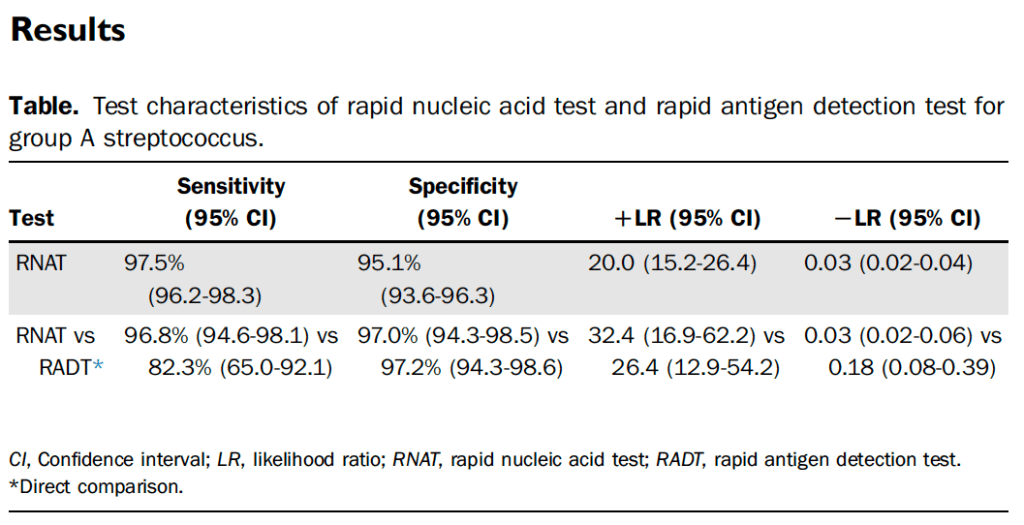
Rapid Nucleic Acid Tests more sensitive (97% vs 82%) and equally specific to the traditional Rapid Antigen Detection Test (RADT).
Most hospitals currently use RADT.
Currently negative RADT requires a follow-up culture in high risk groups per the Uptodate algorithm but rapid nuclear acid test may negate that requirement.
Covid-19 is an independent risk factor for deep vein thrombosis, pulmonary embolism, and bleeding, and that the risk of these outcomes is increased for three, six, and two months after covid-19, respectively
While CTA is a good option for acute headache patients with delayed presentation (e.g. > 1 week after headache onset), when LP is contraindicated, not feasible or has indeterminate results, it should not routinely replace LP. CTA will work for 96.7% patients, but will identify incidental aneurysms in 3.3%, leading to difficult decisions for our neurosurgical colleagues, increased patient morbidity and mortality due to unnecessary aneurysm repairs or increased patient anxiety.
Multiple myeloma patients present commonly with one or more of the “CRAB” symptoms which reflect end organ damage: hyperCalcemia, Renal failure, Anemia, or lytic Bone lesions.
EM is valuable but EDs need to do less, can’t be the catch-all for society’s problems.
Fascinating conversation with two authors of recent CJEM editorial.
Authors push for public health solution that offloads noncritical EM to after hours primary care clinics, telemedicine, etc.
Weingart contends that the specialty is headed for a schism of two specialties: 1) after hours primary care who can also manage sick patients for the first 20 minutes; 2) resuscitationist who has the training and skill set to manage critically ill patients beyond the first 20 minutes.
net benefit of low-dose aspirin use in adults aged 40 to 59 years who have a 10% or greater 10-year CVD risk is small; that persons not at increased risk for bleeding and willing to take low-dose aspirin daily are more likely to benefit (C recommendation); and recommends against initiating low-dose aspirin use for the primary prevention of CVD in adults 60 years or older (D recommendation).
10 year CVD risk calculator is available on MDCALC: ASCVD Risk Calculator.
Secondary attack rate was 25.1% (95% CI, 24.4%-25.9%) when the variant of the index case was Omicron, 19.4%(95% CI, 19.0%-19.8%) when it was Delta, and 17.9% (95%CI, 17.5%-18.4%) when it was nonclassified.
Among patients referred for ICA because of stable chest pain and intermediate pretest probability of CAD, the risk of major adverse cardiovascular events was similar in the CT group and the ICA group. The frequency of major procedure- related complications was lower with an initial CT strategy.
Finfer, S et al. Balanced Multielectrolyte Solution Versus Saline in Critically Ill Adults. NEJM 2022
In critically ill adults in the ICU requiring intravenous fluids, it appears the type of fluid does not make a difference on the outcomes of mortality or AKI.
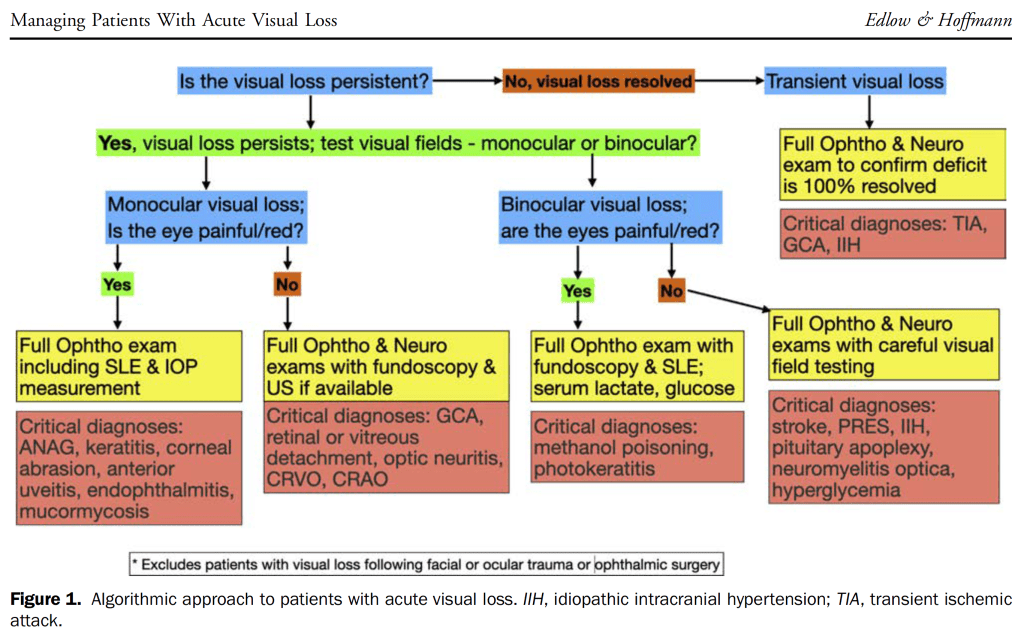
A healthy 39-year-old man presented to the emergency department with 2 days of nontraumatic severe left eye pain and progressive visual loss to the point of blindness. Upon physical examination, the patient reported only flashes of light in the left eye, with sluggish pupillary response and painful extraocular movements. The result of slit lamp examination was unremarkable, and ocular pressures were normal. The result of right eye examination was unremarkable. An emergency physician conducted point-of-care ocular ultrasound, demonstrating evidence of papilledema and optic nerve inflammation
6.5mm wide optic nerve, ill-defined borders suggest inflammationBulge of the optic disc
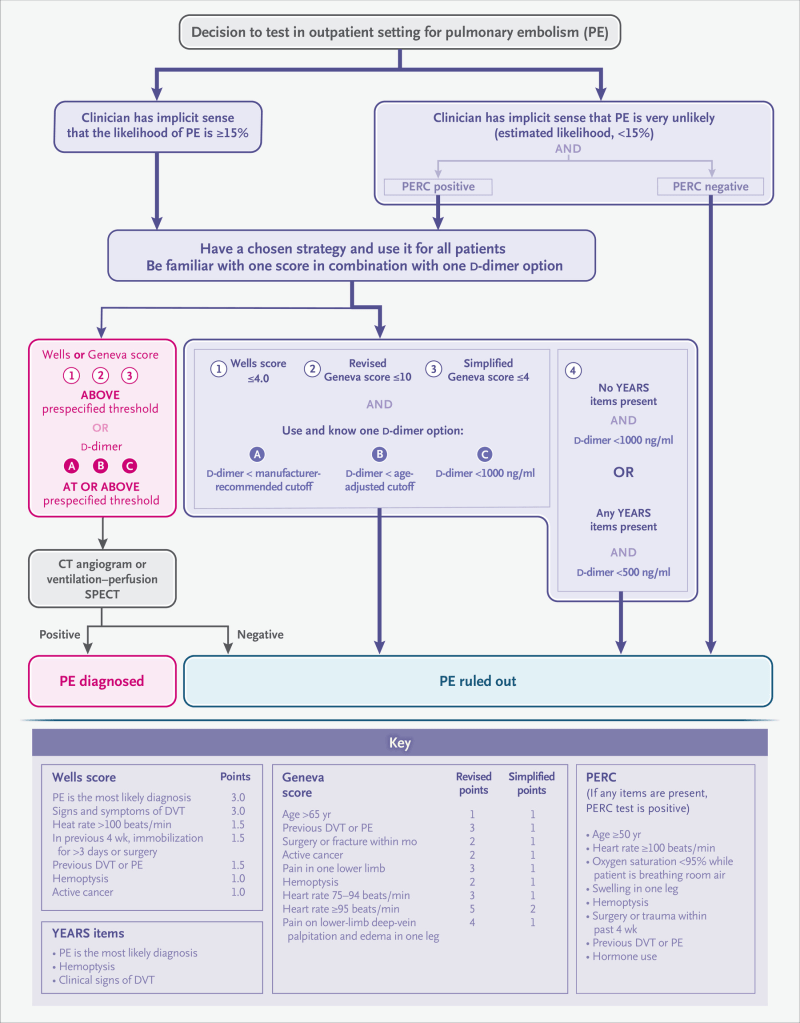
DVT was considered excluded without further testing by Wells low clinical pretest probability and D-dimer <1000 ng/mL or Wells moderate clinical pretest probability and D-dimer <500 ng/mL. All other patients had proximal ultrasound imaging. Repeat proximal ultrasonography was restricted to patients with initially negative ultrasonography, low or moderate clinical pretest probability, and D-dimer >3000 ng/mL or high clinical pretest probability and D-dimer >1500 ng/mL.
Of the 1275 patients with no proximal DVT on scheduled testing who did not receive anticoagulant treatment, eight (0.6%, 95% confidence interval 0.3% to 1.2%) were found to have venous thromboembolism during follow-up. Compared with a traditional DVT testing strategy, this diagnostic approach reduced the need for ultrasonography from a mean of 1.36 scans/patient to 0.72 scans/patient (difference −0.64, 95% confidence interval −0.68 to −0.60), corresponding to a relative reduction of 47%.
Konda SR et al. Computed tomography scan to detect traumatic arthrotomies and identify periarticular wounds not requiring surgical intervention: an improvement over the saline load test. J Orthop Trauma 2013; 27: 498-504.
The requirement for tracheal intubation or mortality within 30 days was significantly lower with CPAP (36.3%; 137 of 377 participants) vs conventional oxygen therapy (44.4%; 158 of 356 participants) (absolute difference, −8% [95% CI, −15% to −1%], P = .03), but was not significantly different with HFNO (44.3%; 184 of 415 participants) vs conventional oxygen therapy (45.1%; 166 of 368 participants) (absolute difference, −1% [95% CI, −8% to 6%], P = .83).
Proning not studied but probably more important than oxygen delivery system
This limited study found no statistically significant difference in stability of oral FXi related ICH after the administration of AA or 4F-PCC. However, the inherent potential bias and small participant numbers limit generalizability and therefore larger prospective studies are needed. 4F-PCC is cheaper and more widely available than AA ($5670/patient, compared to $22,120-$49,500/patient);