January 2021- Monthly Review

American J of Emerg Med

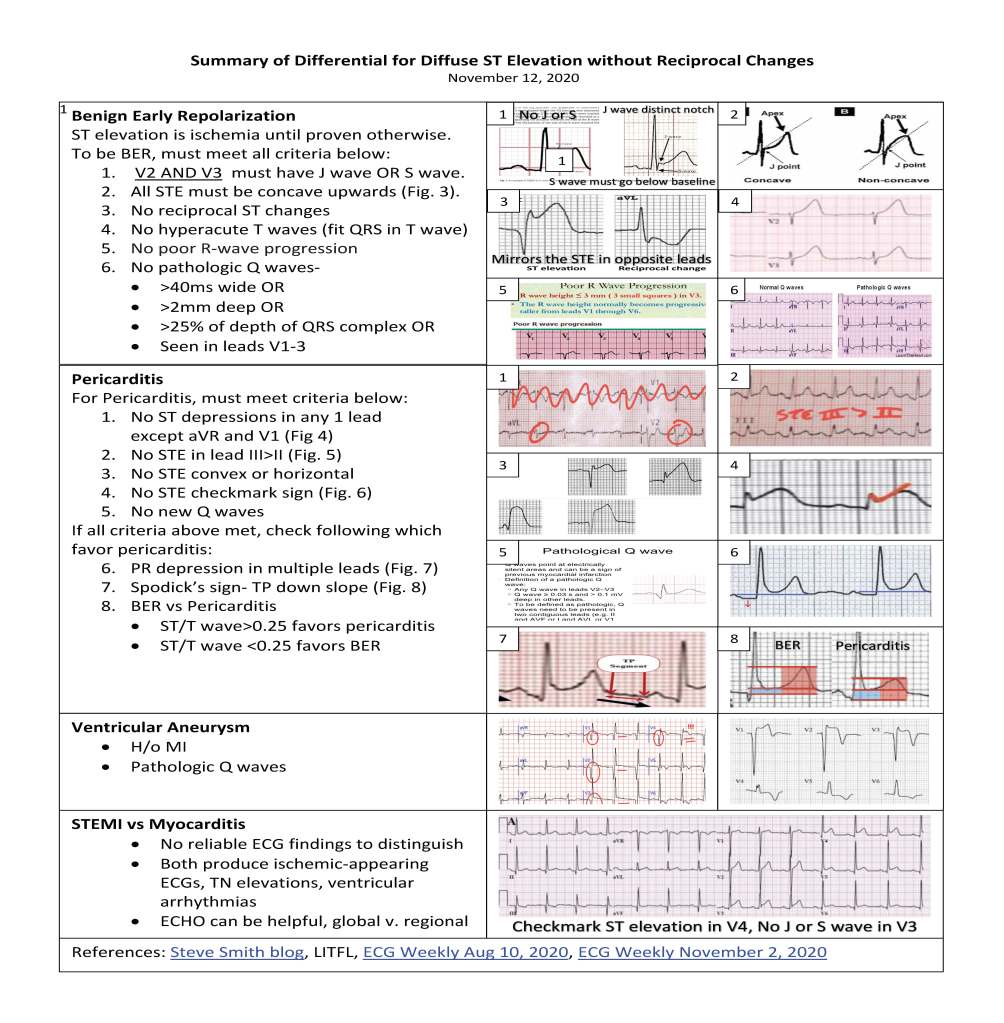
Electrocardiographic Manifestations of COVID-19

  • COVID-19 is a potentially critical illness associated with a variety of ECG abnormalities, with up to 90%of critically ill patients demonstrating at least one abnormality.
  • The ECG abnormalities in COVID-19 may be due to cytokine storm, hypoxic injury, electrolyte abnormalities, plaque rupture, coronary spasm, microthrombi, or direct endothelial or myocardial injury.
  • While sinus tachycardia is the most common abnormality, others include supraventricular tachycardias such as atrial fibrillation or flutter, ventricular arrhythmias such as ventricular tachycardia or fibrillation, various bradycardias, interval and axis changes, and ST segment and T wave changes.
  • Several ECG presentations are associated with poor outcome, including atrial fibrillation, QT interval prolonga-tion, ST segment and T wave changes, and ventricular tachycardia/fibrillation.

Annals of Emergency Medicine

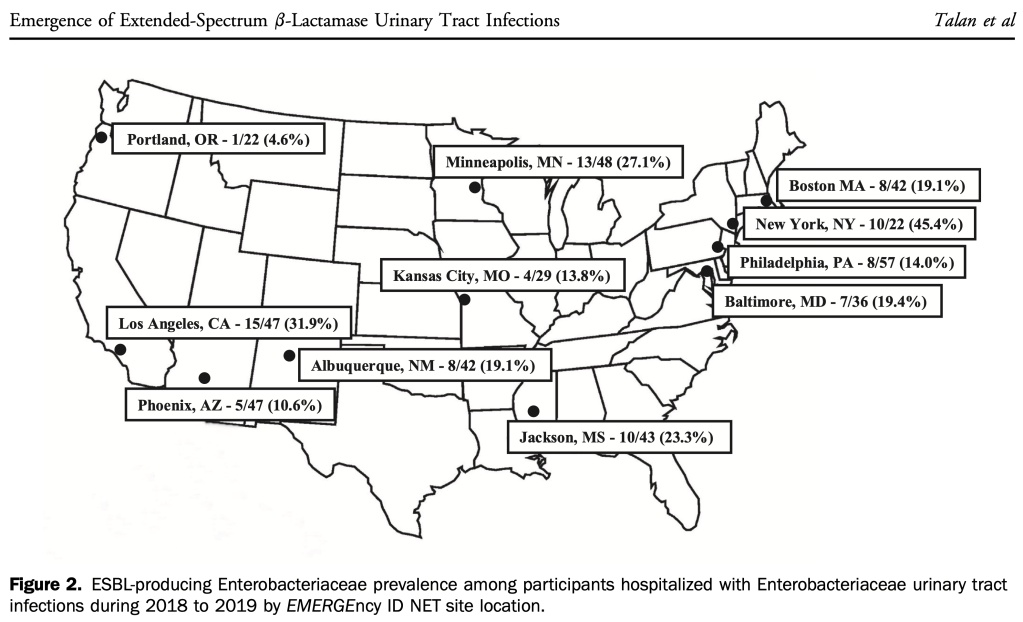
Emergence of Extended-Spectrum b-Lactamase Urinary Tract Infections Among Hospitalized Emergency Department Patients in the United States

  • Growing percentage of hospitalized patients with UTI have resistance to ceftriaxone (17% overall during the study period of 2018-2019) but some areas of the country are much higher.
  • Authors cite a 2009 study by Kumar that showed a 5 fold reduction in survival for septic shock patients who received initial empiric antibiotics that lacked in-vitro activity against the offending pathogen.
  • 24% resistance to Ceftriaxone among Enterobact. isolates, 3% resistance to Pip-Taz.
  • Among ESBL-confirmed isolates, resistance to Pip-Taz was 18%.
  • Resistance>10% is the recommended trigger to broaden coverage.
  • Authors recommend a carbapenem or amikacin for hospitalized UTI and acknowledge there is no PO option for outpatients.
  • Uptodate recommends a carbapenem for septic shock patients with suspected UTI.
  • Per Johnson, Acute Pyelonephritis in Adults (NEJM 2018), choose an antibiotic of a different class for initial empirical treatment of pyelonephritis when the local resistance rate to the antibiotic being considered exceeds 10%, with a lower threshold for critically ill patients.
  • Bottom-line: know your hospital’s antibiogram, upgrade from Ceftriaxome if resistance is >10%.

Improved Testing and Design of Intubation Boxes During the COVID-19 Pandemic

  • Intubation boxes don’t reduce aerosol but adding a vacuum and active air filtration did.

Prevalence of SARS-Cov-2 Antibodies in Emergency Medicine Providers

  • Although studies from NYC early in the pandemic showed a high prevalence of prior Covid infection (31.2% and 46%) among ED providers, this study from San Francisco showed a low seroprevalence of antibodies (1%).

Normocellular Community-Acquired Bacterial Meningitis in Adults: A Nationwide Population-Based Case Series

  • 2% of bacterial meningitis has normal CSF fluid cell count!
  • 25% fatality rate among normocellular meningitis cases.
  • Authors suggest empiric treatment in cases with a high suspicion despite normal CSF until cultures come back.

Clinical Policy: Critical Issues in the Management of Adult Patients Presenting to the Emergency Department With Community-Acquired Pneumonia (Executive Summary)

  • The Pneumonia Severity Index (PSI) and CURB-65 decision aids can support clinical judgement by identifying patients at low risk of mortality who may be appropriate for outpatient treatment. Although both decision aids are acceptable, the PSI is supported by a larger body of evidence and is preferred by other society guidelines (ATS/IDSA 2019 guidelines).
  • Given the lack of evidence, the decision to administer a single dose of parenteral antibiotics prior to oral therapy should be guided by patient risk profile and preferences (Consensus recommendation).

BMJ

Easily Missed? Cauda Equina Syndrome

  • Red flags for caudal equina in patients with sciatica
    • Onset of bilateral numbness or weakness in the legs
    • Onset of any sense of numbness or pins and needles around the anus (a “numb bum”) or genitals
    • Any alteration in the sensation of a full bladder, desire to pass urine, or awareness of passing urine

Emerg Med J

Identification of very low risk acute chest pain patients without troponin testing

  • Providers completed HEAR assessments on 4979 patients and HEAR scores<1 occurred in 9.0% (447/4979) of patients. Among these patients, MACE at 30 days occurred in 0.9% (4/447; 95% CI 0.2% to 2.3%) with two deaths, two MIs and 0 revascularisations. The sensitivity and negative predictive value for MACE in the HEAR <1 was 97.8% (95%CI 94.5% to 99.4%) and 99.1% (95% CI 97.7% to 99.8%), respectively, and were not improved by troponin testing. Troponin testing in patients with HEAR <1 correctly reclassifi ed two patients diagnosed with MACE, and was elevated among seven patients without MACE yielding an NRI of 0.9% (95%CI −0.7 to 2.4%).
  • Conclusion These data suggest that patients with HEAR scores of 0 and 1 represent a very low􀀁 risk group that may not require troponin testing to achieve a missed MACE rate <1%.

EMRAP

  • Syncope- Amal Mattu
    • Canadian Syncope Risk Score recommended!
    • Validated in JAMA March 2020 study: Multicenter Emergency Department Validation of the Canadian Syncope Risk Score
    • Available on MDCALC
    • Per Mattu:
      • “Patients with very low to low risk (-3 to 0 points) can be discharged home with a low event rate
      • Patients with intermediate risk (1-3 points) have an 8% risk of bad outcome at 30 days (0.1% risk of death). Shared decision making is appropriate here.
      • Patients with higher risk (> 4 points) probably should be admitted in consideration of their high rate of bad outcomes, despite the low diagnostic yield.”
  • Cranial Burr Hole (emergent epidural or subdural evacuation)- Jess Mason and David Beffa
    • Free 5 minute “how to do it” video: https://www.emrap.org/episode/cranialburrhole/cranialburrhole
    • “Steps of procedure (to be done on the side of the blown pupil) Knowing the anatomy from the CT head will be helpful. You can measure the thickness of the skull table so you know approximately how deep you need to go.
    • Prepare the site using sterile technique.
    • If no CT is available and the procedure is done blind, the entry site is 2 cm superior and 2 cm anterior to the tragus on the ipsilateral side of the blown pupil
    • Have an assistant hold the patient’s head hard and steady during the procedure.
    • Make a 3-5 cm vertical skin incision down to bone.
    • Insert self-retaining scalp retractor to expose periosteum.
    • Expose the skull and elevate the periosteum using the periosteal elevator.
    • Trephination technique varies by device. You may feel a change from smooth to rough as you move from outer to inner skull table.
    • An epidural hematoma will start to drain when you get through the inner table. If a subdural hematoma is present, an additional step is needed which involves a 3-sided incision to form a flap in the dura mater.
    • Place a sterile dressing.”
  • Eye vs Brain– Evie Marcolini, MD and Anand Swaminathan, MD
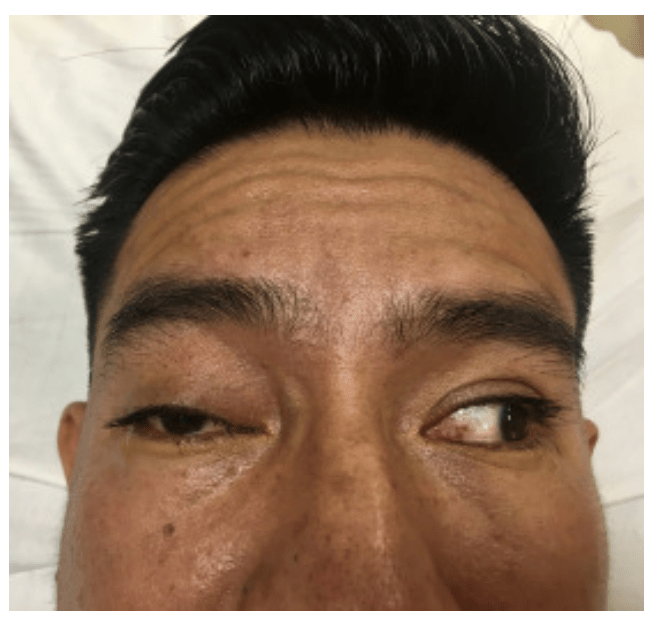
    • Diplopia easy to distinguish, monocular diplopia most likely ocular pathology, whereas binocular diplopia is usually CNS .
      • Cranial Nerve Palsy: 3, 4, 6 (think SAH when CN 3 palsy, abduction only -no adduction, supraduction or infraduction, with acute HA)
      • Internuclear Ophthalmoplegia
    • Hard to distinguish between ocular and CNS pathology with painless, non-red, non-post-op, atraumatic monocular vision loss!
      • Uptodate has a nice algorithm for monocular vision loss.
      • The challenge is the ddx for painless, non-red, non-post-op, atraumatic monocular vision loss includes both ocular and CNS etiology.
      • Ocular: lens, vitreous hemorrhage, posterior uveitis, acute maculopathy, retinal detachment (peripheral or central loss), retinal vein occlusion, ischemic optic neuropathy (eg temporal arteritis).
      • CNS- retinal or ophthalmic artery occlusion
      • If after exam, history and ultrasound you’re not sure, patient needs transfer to tertiary center with both neurology and ophthalmology.

JACEP Open

Not all HEART scores are created equal: identifying “low-risk” patients at higher risk

  • ED patients being evaluated for acute coronary syndrome shows that HEART scores of 0–5 are generally at low risk for death or acute myocardial infarction within 30 days, but points obtained from different components of the score are associated with different risk elevations.
  • Specifically, any points obtained due to elevated troponin values (even in the intermediate range, cor-responding to troponin = 1 or 2 points) as well as ST deviations (cor-responding to ECG = 2 points) were predictive of higher risk than an equal number of points obtained from the other components.
  • Although the HEART score still reliably identifies low-risk ED patients, further research on refinements to the score (eg, allocating additional points to the troponin component and correspondingly recalibrating the cut-off score to better match a 1% acceptable risk threshold for further testing) may better assess the risks facing patients with suspected acute coronary syndrome, allow for better risk stratification of patients with chest pain, and merits further study.

NEJM

Bupropion and Naltrexone in Methamphetamine Use Disorder

Doctor as Street-Level Bureaucrat

Atrial Fibrillation

December 2020- Monthly Review

Academic Emergency Medicine

Awake Prone Positioning in COVID-19 Hypoxemic Respiratory Failure: Exploratory Findings in a Single-center Retrospective Cohort Study

  • Awake prone positioning was not associated with lower intubation rates. Caution is necessary before widespread adoption of this technique, pending results of clinical trials.

Annals of Emergency Medicine

Obtaining Blood Cultures Before the Administration of Antibiotics and other Emergency Department Fables: An Analysis of the FABLED Study

  • “These data ought not change our current practice of obtaining blood cultures before antibiotic administration. As illness severity increases, the relative importance of early antibiotic administration likely takes precedence over the potential identification of a causative organism. The take-home point for ED clinicians is that timely antibiotic administration should not be delayed because of difficulties in obtaining appropriate samples for blood cultures.”

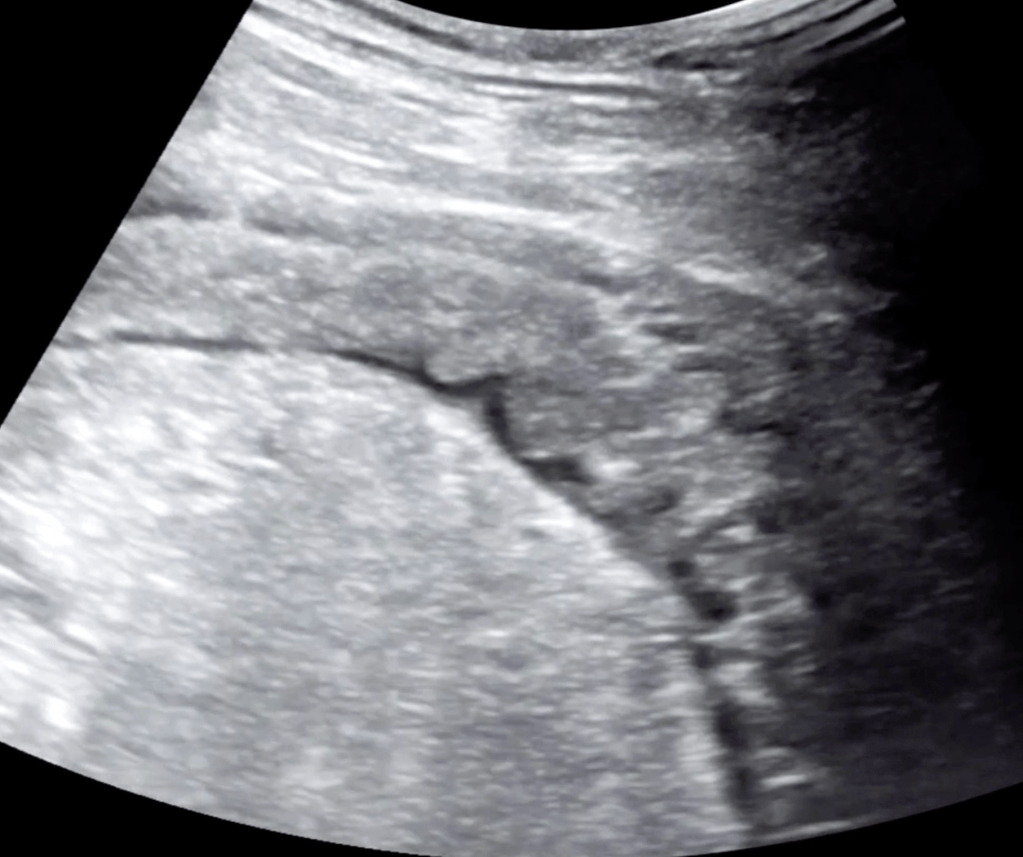
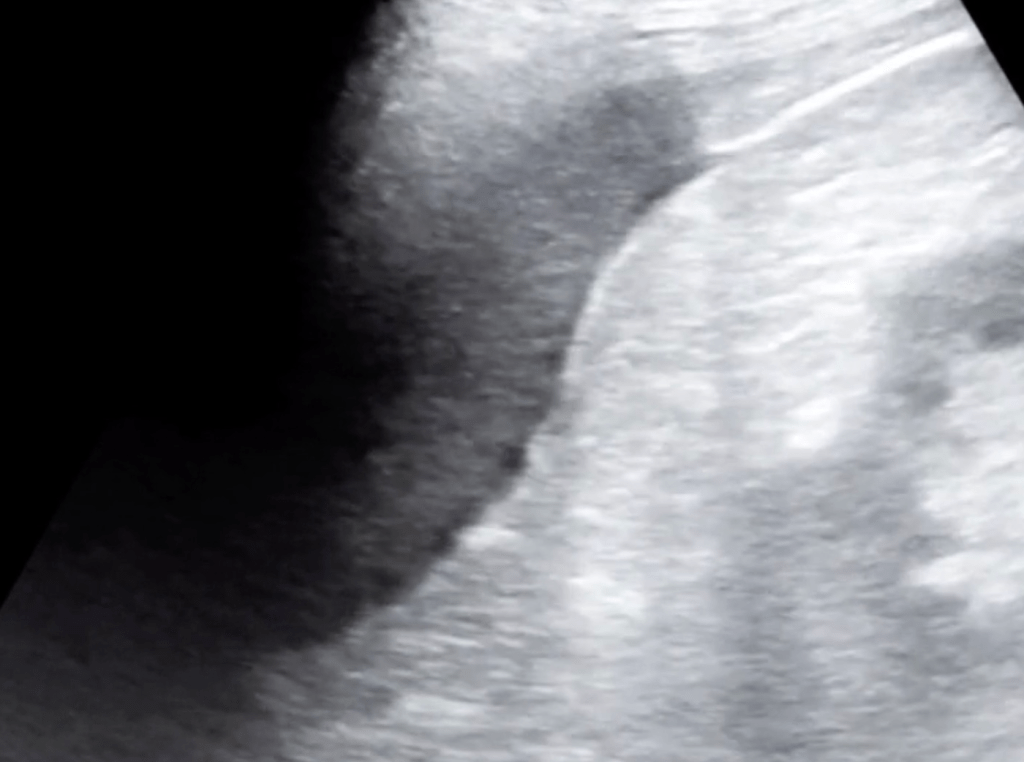
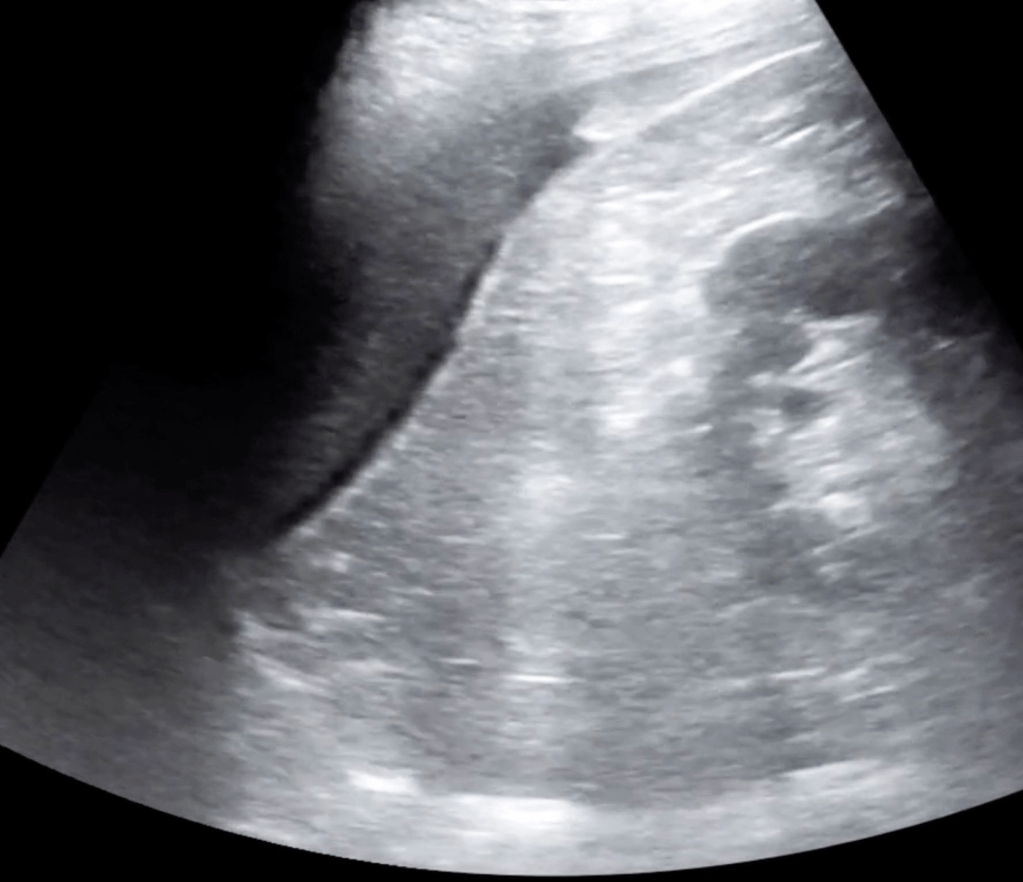
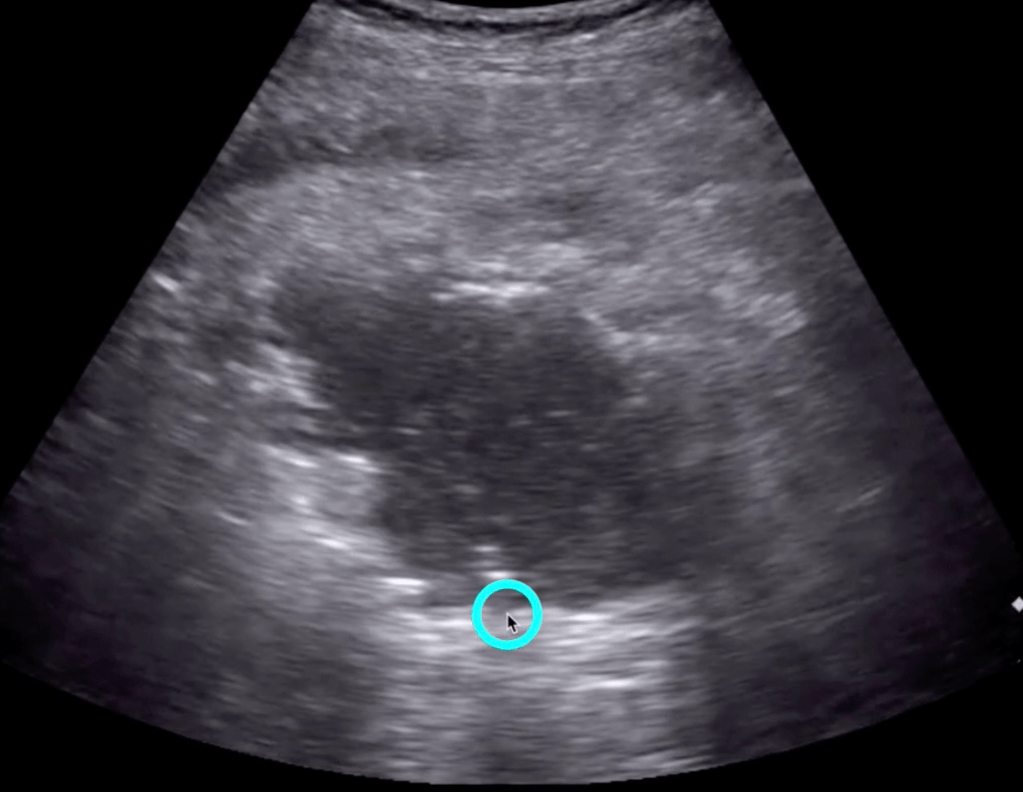
A Prospective Evaluation of Point-of-Care Ultrasonographic Diagnosis of Diverticulitis in the Emergency Department

  • “Compared with CT, point-of-care ultrasonography had a sensitivity of 92% (95%confidence interval 88% to 96%), specificity of 97% (95% confidence interval 94% to 99%), positive predictive value of 94% (95%confidence interval 90% to 97%), and negative predictive value of 96% (93% to 98%) in the diagnosis of diverticulitis.”
  • Check out the new 5 minute Sono Diverticulitis video later in this post

Are Emergency Practitioners Able to Diagnose Posterior Chamber Abnormalities With Point-of-Care Ocular Ultrasonography?

  • In the studies limited to emergency physicians, ocular point-of-care ultrasonography had a pooled sensitivity of 92% (95% CI 67% to 99%) and specificity of 91%(95% CI 85% to 95%).
  • The authors found emergency practitioner diagnosis of other posterior chamber abnormalities, including lens dislocation, globe rupture, intraocular foreign body, and vit-reous hemorrhage, using point-of-care ultrasonography to be accu-rate, but with wide CIs.
  • The safety of point-of-care ultrasonography for assessment of a ruptured globe or an intraocular foreign body through a penetrating injury has not been established, and using it is not recommended.

Can an Emergency Department–Initiated Intervention Prevent Subsequent Falls and Health Care Use in Older Adults? A Randomized Controlled Trial

  • The two key interventions were pharmacist review of medications and physical therapy consult.
  • Compared with usual care participants (n=55), intervention participants (n=55) were half as likely to experience a subsequent ED visit (adjusted incidence rate ratio 0.47 [95% CI 0.29 to 0.74]) and one third as likely to have fall-related ED visits (adjusted incidence rate ratio 0.34 [95% CI 0.15 to 0.76]) within 6 months.

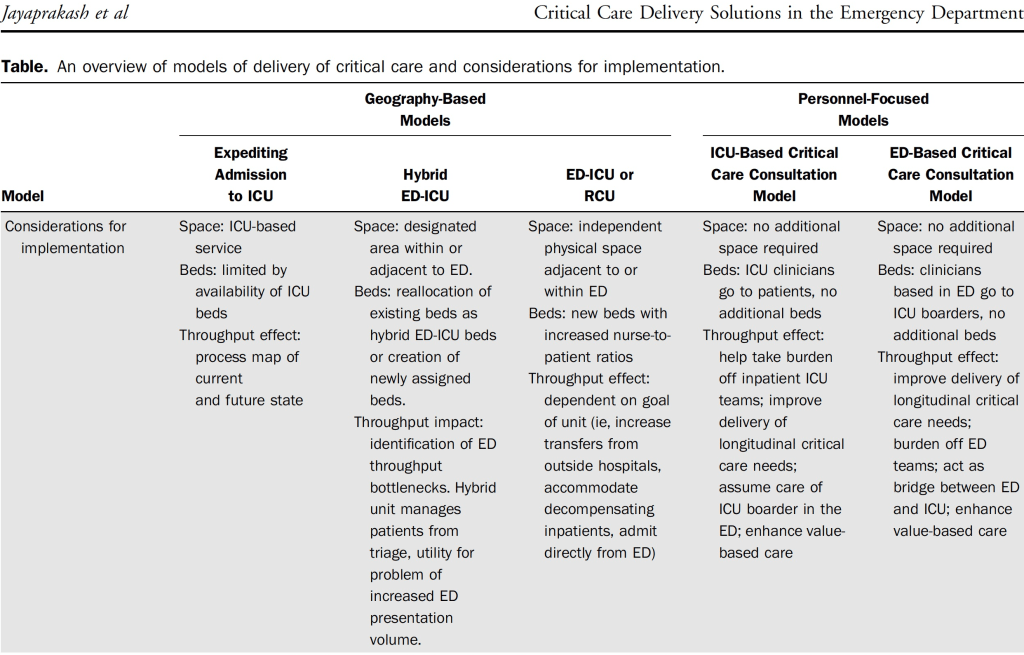
Critical Care Delivery Solutions in the Emergency Department: Evolving Models in Caring for ICU Boarders

  • An ED length of stay of greater than 6 hours is estimated to be associated with a 10% increase in hospital mortality.
  • A primary determinant (of ICU boarding) is ineffective throughput, reflective of a limited supply of beds, inadequate staffing for the available beds, or ineffective use of beds.
  • 5 models to respond to boarding, easiest is the far right Ed-Base Critical Care Consultation Model.

Missed Opportunities to Diagnose and Intervene in Modifiable Risk Factors for Older Emergency Department Patients Presenting After a Fall

  • In 96% of cases (335/349) in which one or more modifiable risk factors were present, they were not diagnosed. The most commonly missed risk factors were high-risk medications and visual acuity deficits.
  • CDC 12 question checklist
  • Visual acuity
  • Orthostatics
  • Beer’s Medication List
  • Fall Prevention Algorithm
  • Timed Up and Go test- sit in an arm chair, pt has to get up and walk 10 feet in 12 seconds.
  • Test strength at shoulders, elbows, hips, knees.
  • Test sensation in feet to rule out peripheral neuropathy.

Circulation

Randomized Pilot Clinical Trial of Early Coronary Angiography Versus No Early Coronary Angiography After Cardiac Arrest Without ST-Segment Elevation The PEARL Study

  • No mortality benefit to early Cath lab for ROSC patients without STEMI

5 Minute Sono

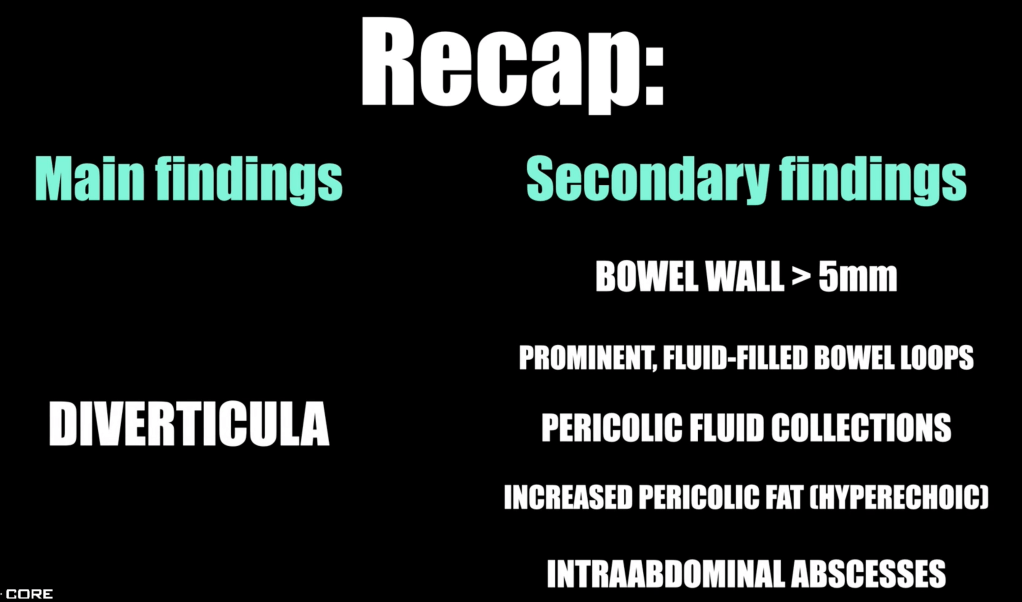
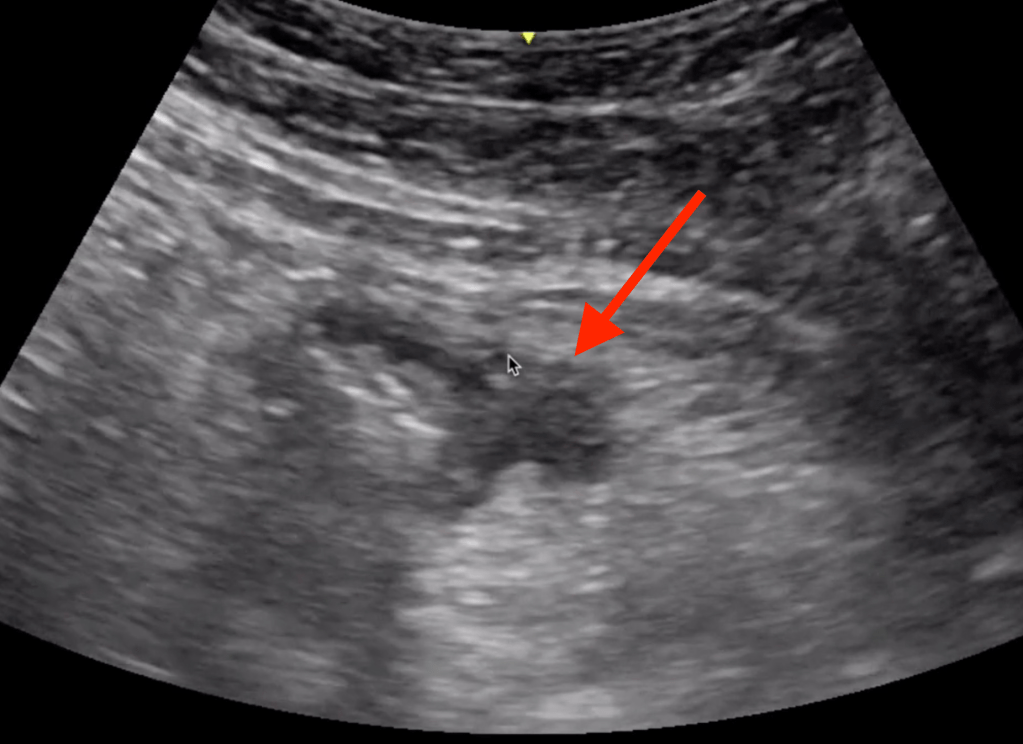
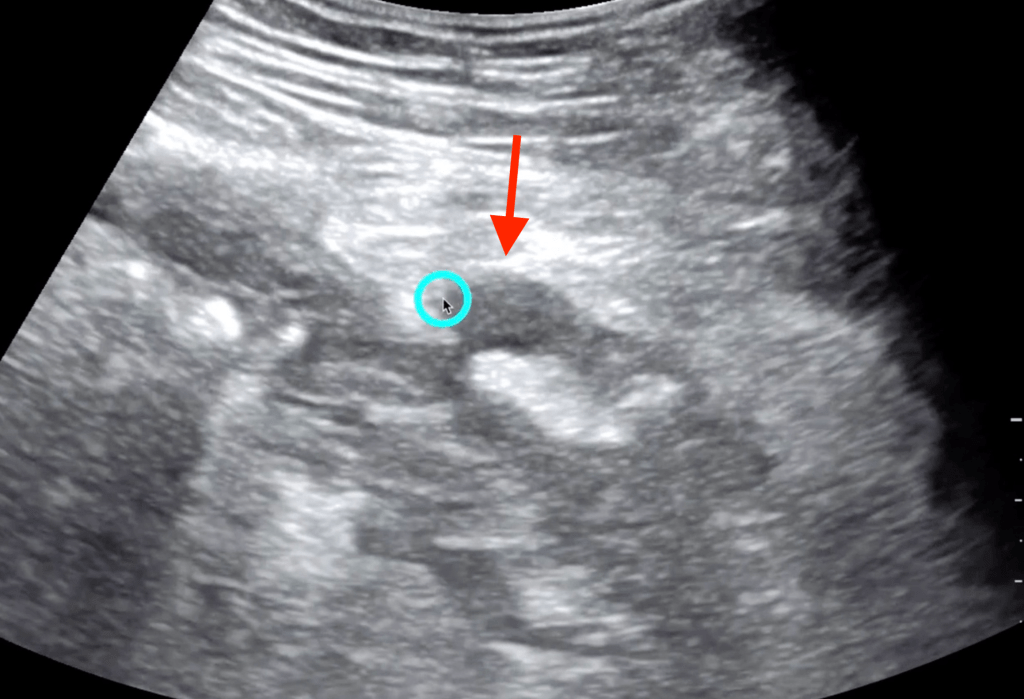
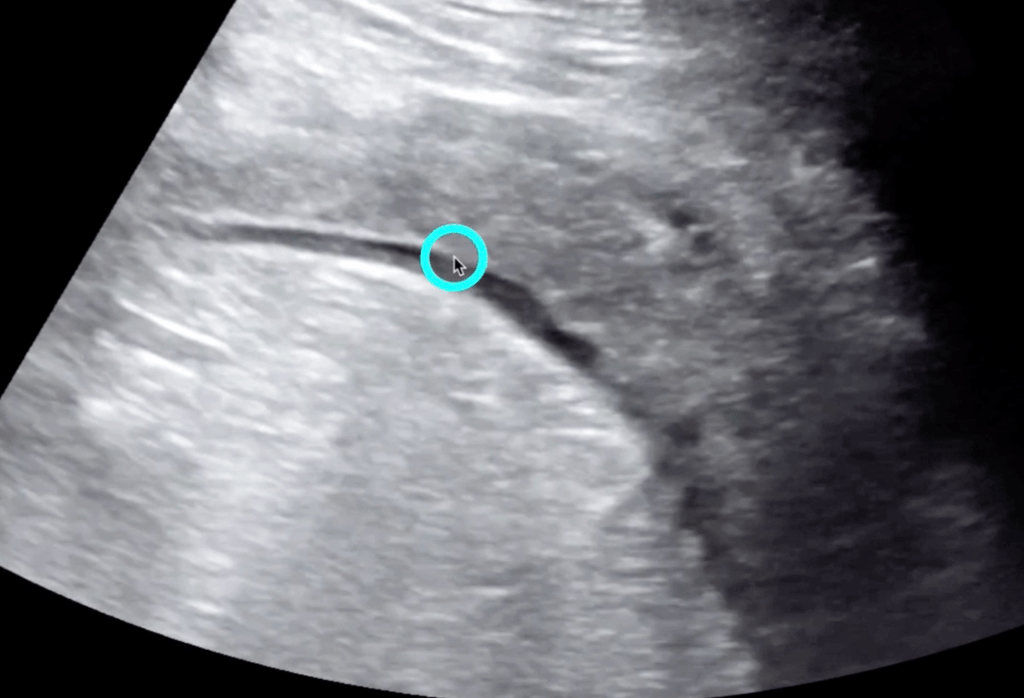
5 minute Sono Diverticulitis

  • Large curvilinear probe
  • Graded compression up and down
  • Diverticula
  • Bowel wall>5mm
  • Prominent fluid-filled bowel loops
  • Pericolic free fluid
  • Increased pericolic fat (hyperechoic)
  • Abscess

JAMA

Comparison of Acetaminophen (Paracetamol) With Ibuprofen for Treatment of Fever or Pain in Children Younger Than 2 Years A Systematic Review and Meta-analysis

  • Overall, 19 studies (11 randomized; 8 nonrandomized) of 241 138 participants from 7 countries and various health care settings (hospital-based and community-based) were included.
  • In this study, use of ibuprofen vs acetaminophen for the treatment of fever or pain in children younger than 2 years was associated with reduced temperature and less pain within the first 24 hours of treatment, with equivalent safety.

NEJM

Severe Covid-19

Spontaneous Coronary-Artery Dissection

Pathophysiology of Inflammatory Bowel Diseases

Examination of the Neck Veins

Cytokine Storm

Changes in Seizure Frequency and Antiepileptic Therapy during Pregnancy

November 2020- Monthly Review

Academic Emergency Medicine

American Journal of Emergency Medicine

Annals of Emergency Medicine

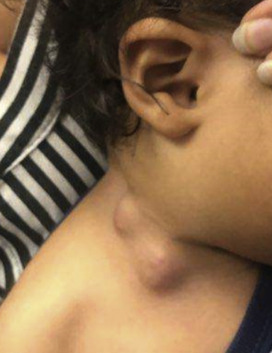
  • Annals explanation: “Tubercular lymphadenitis presents as a nontender, slowly progressive, unilateral swelling most commonly in the cervical region, classically named scrofula. Because of softer cartilage in children’s airways, mediastinal lymphadenitis can cause significant morbidity and even mortality owing to mass effect on the esophagus and tracheobronchial tree.”
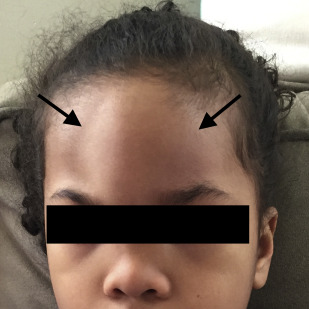
  • Annals explanation: “Pott’s puffy tumor. A subperiosteal abscess with associated osteomyelitis of the frontal bone, often referred to as a Pott’s puffy tumor, is a rare entity in children. It can affect children of all ages, but most frequently affects adolescents. It is often a complication of acute bacterial rhinosinusitis, but has also been associated with trauma, surgery, drug use, mastoiditis, and dental infections. Clinical features include fever, headache, and forehead or scalp swelling and tenderness. Patients may also present with vomiting, lethargy, seizures, or altered mental status, depending on the extent of intracranial involvement. Diagnosis is clinical and radiographic, most commonly with CT, magnetic resonance imaging, or both. Management includes antimicrobials in addition to surgical drainage of the abscess, which is commonly polymicrobial with streptococcal, staphylococcal, and anaerobic organisms. The patient underwent operative drainage shortly after diagnosis and was maintained with broad-spectrum antibiotics for several days. She has since made a full recovery.”

BMJ

Chest

Fluid Response Evaluation in Sepsis Hypotension and Shock A Randomized Clinical Trial

  • Randomized trial where control group got usual fluid care strategy and intervention arm got a restrictive fluid strategy driven by passive leg raise and measurement of stroke volume with a noninvasive bioreactance electrode system. The restrictive fluid group had half as many patients requiring mechanical ventilation and one third as many patients requiring dialysis.
  • Currently many EDs don’t have the SV technology but it is a good reminder that less fluid is probably better.
  • Poor man’s PLR is to measure the pulse pressure (systolic bp-diastolic bp) 30-90 seconds after performing PLR. PLR done by starting patient in 45 degree upright position and then laying them flat and raising legs to 45 degrees.

Clinical Infectious Disease

Infectious Diseases Society of America Guidelines on Infection Prevention for Health Care Personnel Caring for Patients with Suspected or Known COVID-19

  • Latest recommendations from IDSA on how to protect healthcare workers.
  • Nothing new except they no longer have a recommendation to wear double gloves and shoe coverings.

EMRAP

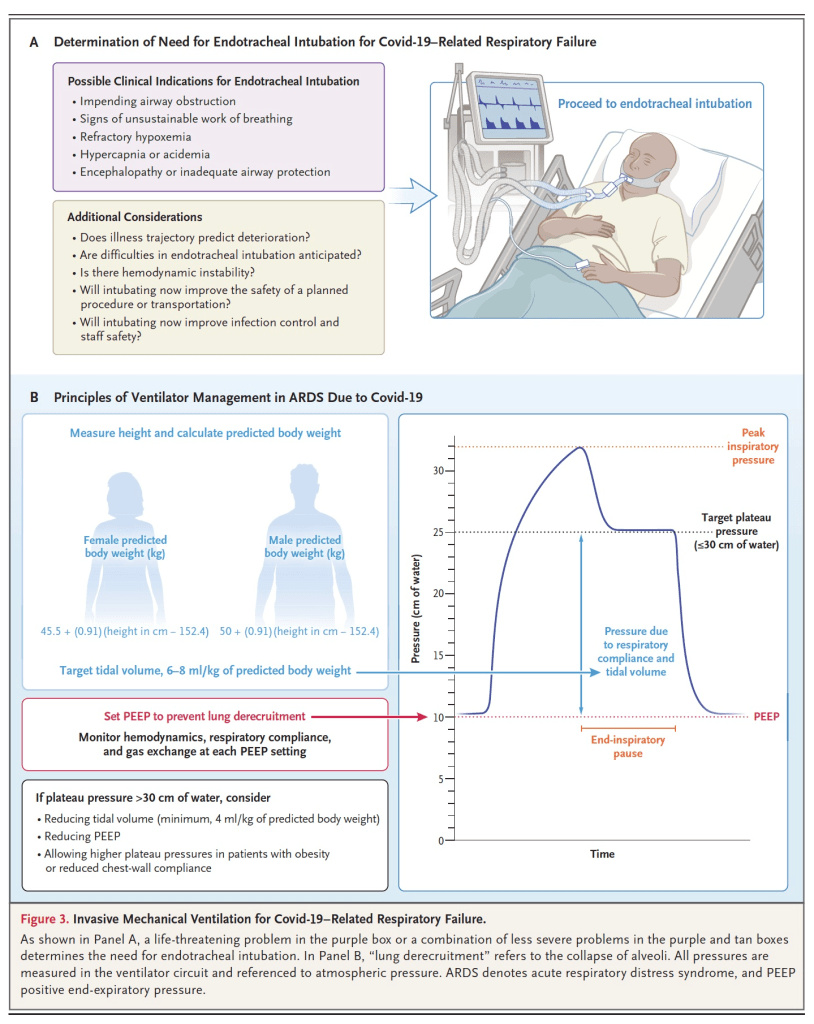
  • Critical-care-mailbag-tube-exchange
    • Weingart breaks down how to replace an endotracheal tube with a cuff rupture or some type of obstruction.
  • High-flow-nasal-cannula-oxygen
    • only works for type 1 hypoxemia respiratory failure, not type 2 hypercarbic respiratory failure.
    • Mallemat recommends starting at highest settings 60LPM, 100% FiO2, then weaning down as needed.

JAMA

Risk of Overcorrection in Rapid Intermittent Bolus vs Slow Continuous Infusion Therapies of Hypertonic Saline for Patients With Symptomatic Hyponatremia. The SALSA Randomized Clinical Trial

  • Another study showing the benefit of hypertonic saline bolus to treat symptomatic hyponatremia. Unfortunately many hospitals do not allow hypertonic saline boluses, instead insisting on slow infusions of hypertonic saline not to exceed 30ml/hr, or they insist on using a central line despite studies cited by UPTODATE showing peripheral infusion is safe (Incidence of Adverse Events During Peripheral Administration of Sodium Chloride J Intensive Care Med. 2018 and Safety of Continuous Peripheral Infusion of 3% Sodium Chloride Solution in Neurocritical Care Patients Am J Crit Care. 2016).
  • I was able to get my hospital to agree to the 100cc hypertonic saline bolus after citing the articles and blog posts referenced here, citing that UPTODATE recommends rapid intermittent bolus therapy for severe symptomatic hyponatremia, and explaining that without the bolus option physicians are forced to use normal saline which can paradoxically lower the already low sodium concentration in SIADH patients because the saline infusion induces a diuresis of concentrated urine which (read the explanation in this UPTODATE chapter).

NEJM

  • Migraine
    • Review article more geared to primary care but has a nice tables of three classes of migraine and algorithm for outpatient treatment and prevention.
    • My one page summary.
  • “You Are Now Entering a Guilt-free Zone”
    • Proactively stating, “before we go on, I need to tell you something about me, I don’t do guilt,” can help ease a patient’s anxiety about answering questions of health behaviors (e.g. drugs, tobacco, alcohol, etc).

Resuscitation

Cardiopulmonary Resuscitation during the COVID-19 pandemic. Do supraglottic airways protect against aerosol-generation?

LLSA 2018

Intravascular complications of central venous catheterization by insertion site. N Engl J Med 2015 Sep;373(13):1220-9. Parienti JJ, Mongardon N, Mégarbane B, Mira JP, Kalfon P, Gros A, et al; 3SITES Study Group. 

The HEART Pathway randomized trial: identifying emergency department patients with acute chest pain for early discharge. Cir Cardiovasc Qual Outcomes 2015 Mar;8(2):195-203. Mahler SA, Riley RF, Hiestand BC, Russell GB, Hoekstra JW, Lefebvre CW, et al.

Continue reading

LLSA 2019

Clinical practice guideline: brief resolved unexplained events (formerly apparent life-threatening events) and evaluation of lower-risk infants: executive summary [published erratum appears in Pediatrics May 2016, 137(5): pii: e e20161488]. Pediatrics 2016 May;137(5): pii: e20160591. Tieder JS, Bonkowsky JL, Etzel RA, Franklin WH, Gremse DA, Herman B, et al.; Subcommittee on Apparent Life-Threatening Events. 

Executive leadership and physician well-being: nine organizational strategies to promote engagement and reduce burnout. Mayo Clin Proc 2017 Jan;92(1):129-46. Shanafelt TD, Noseworthy JH. Continue reading